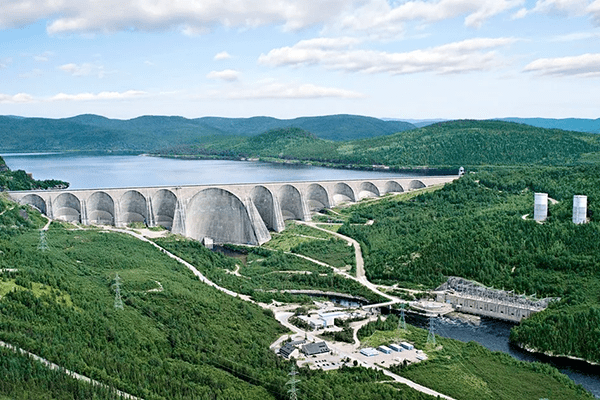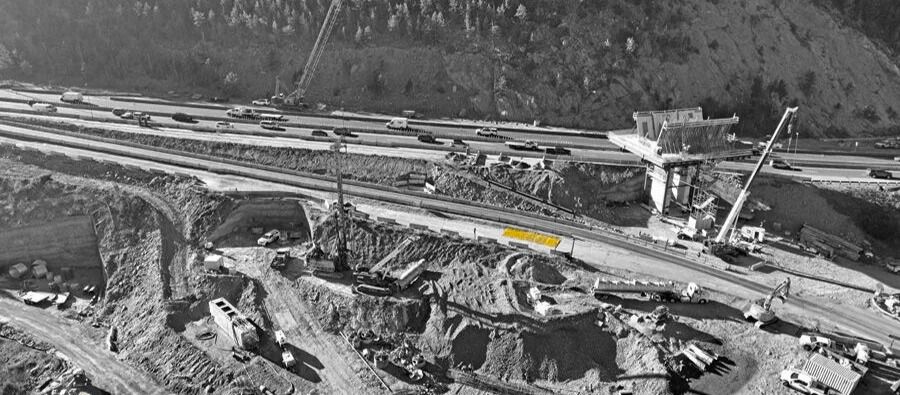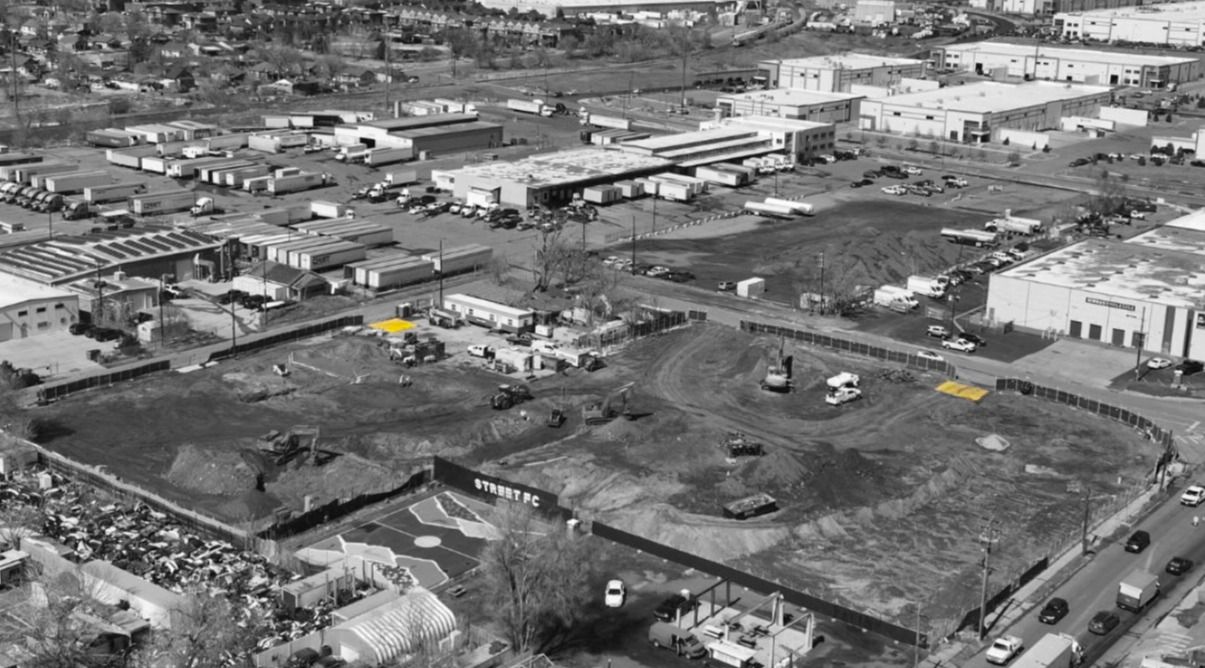
The Champlain Hudson Power Express, commonly known as CHPE, is a $6 billion high-voltage direct current transmission line stretching 339 miles from the Canadian border to Astoria, Queens, in New York City. The project is designed to deliver up to 1,250 megawatts of clean, renewable hydroelectric power from Hydro-Québec directly into New York City's power grid. When it reaches commercial operation in 2026, CHPE will supply nearly 20 percent of New York City's total electricity demand and power more than one million homes across the region.
The project’s environmental impact is equally significant. CHPE is projected to reduce carbon emissions by approximately 3.9 million metric tons per year, the equivalent of removing nearly half of all passenger vehicles from New York City’s roads. It represents one of the most consequential investments in clean energy infrastructure in New York State history and is widely considered critical to the state’s long-term grid reliability.
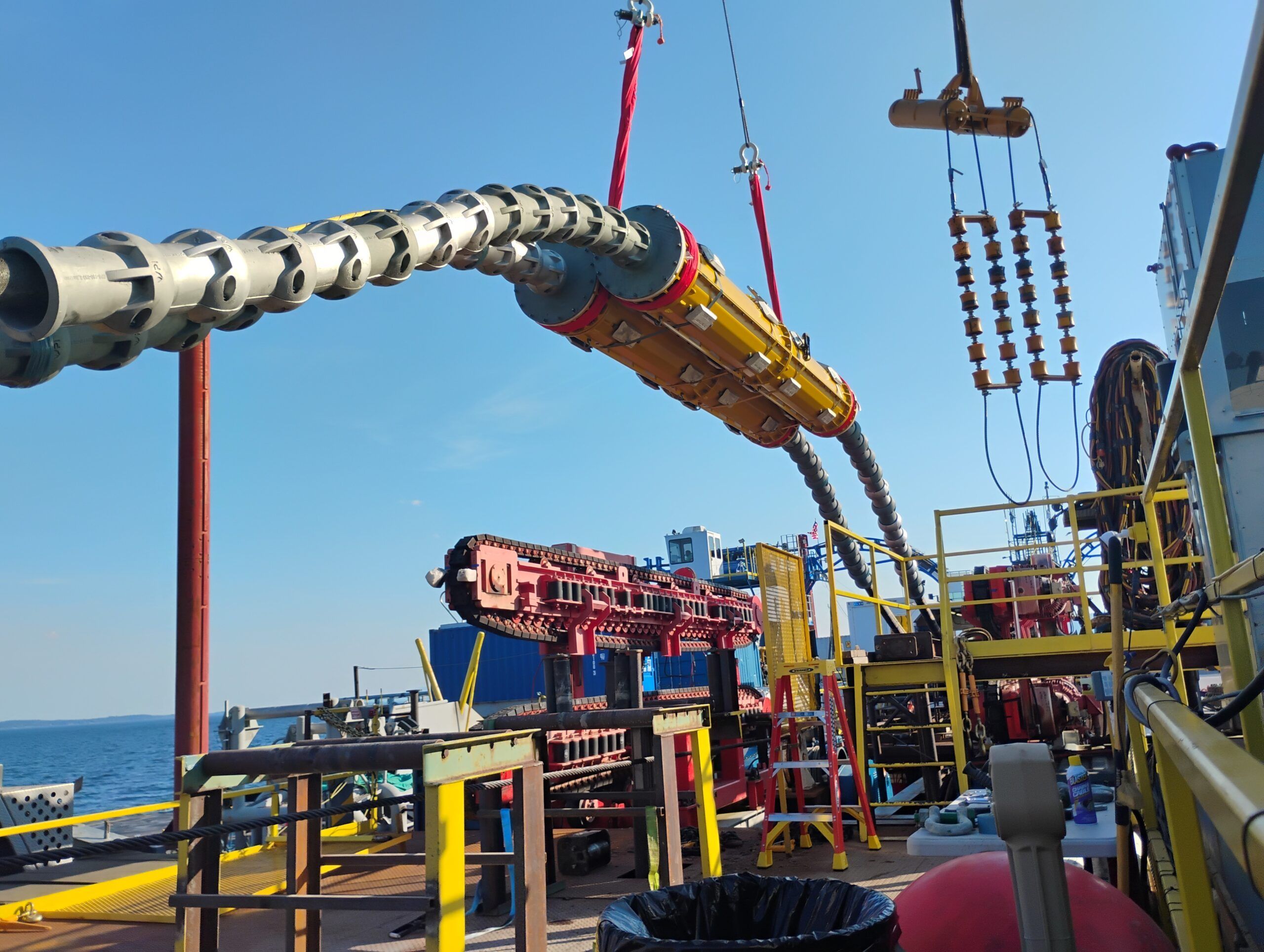
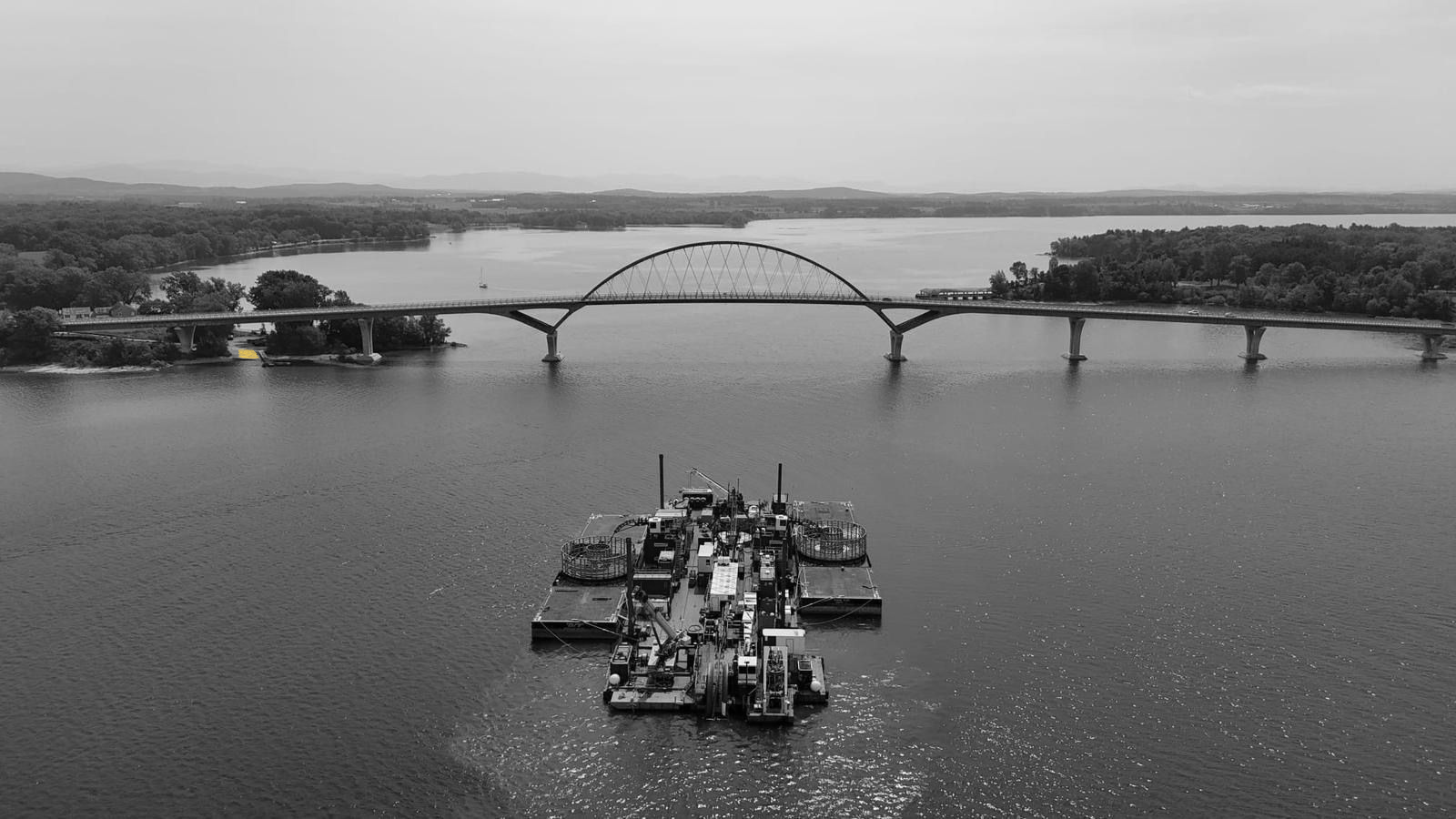
The transmission route passes through some of New York’s most environmentally sensitive terrain. Submarine cables run along the floors of Lake Champlain, the Hudson River, and the Harlem River before transitioning to underground conduit through densely populated areas approaching New York City. The terrestrial portion of the project spans more than 146 miles of on-land construction, crossing hundreds of commercial and residential properties, active roadways, and protected natural areas along the route.
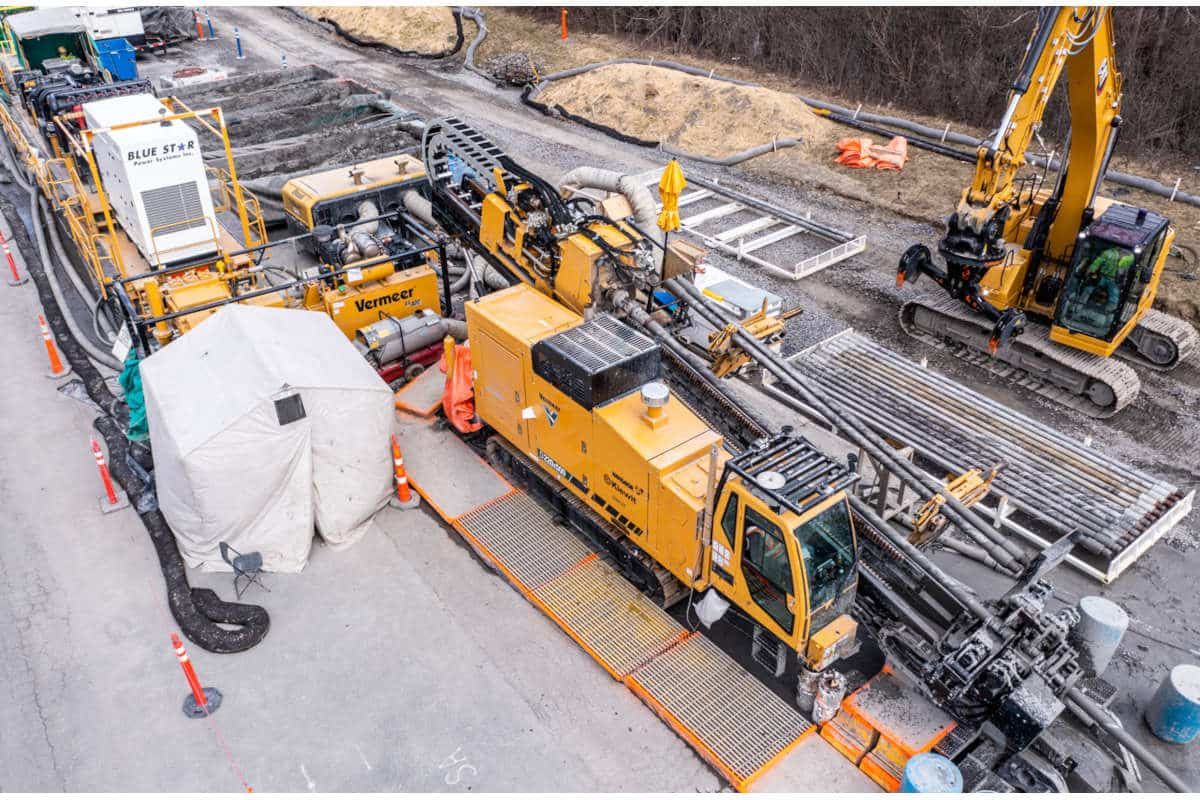
Kiewit Corporation, one of North America's most experienced heavy civil and infrastructure contractors, is the lead contractor for all terrestrial construction on the CHPE project, working alongside a network of specialized subcontractors and project partners coordinated by Transmission Developers Inc., the developer behind CHPE. Kiewit's scope is among the most demanding of any construction project currently underway in the northeastern United States.
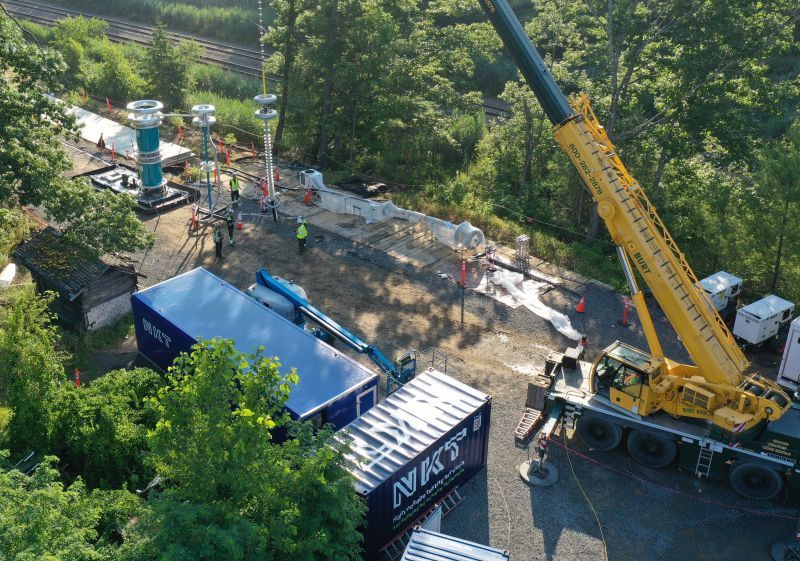
The scale and complexity of the CHPE project require coordination across multiple specialized contractors and disciplines. Transmission Developers Inc. leads overall development and project delivery, managing permitting, stakeholder coordination, and execution across the full 339-mile corridor as the driving force behind the project. Supporting Kiewit’s terrestrial construction efforts, Michels Corporation contributes specialized expertise in underground transmission installation, bringing experience from complex energy and utility projects across North America.
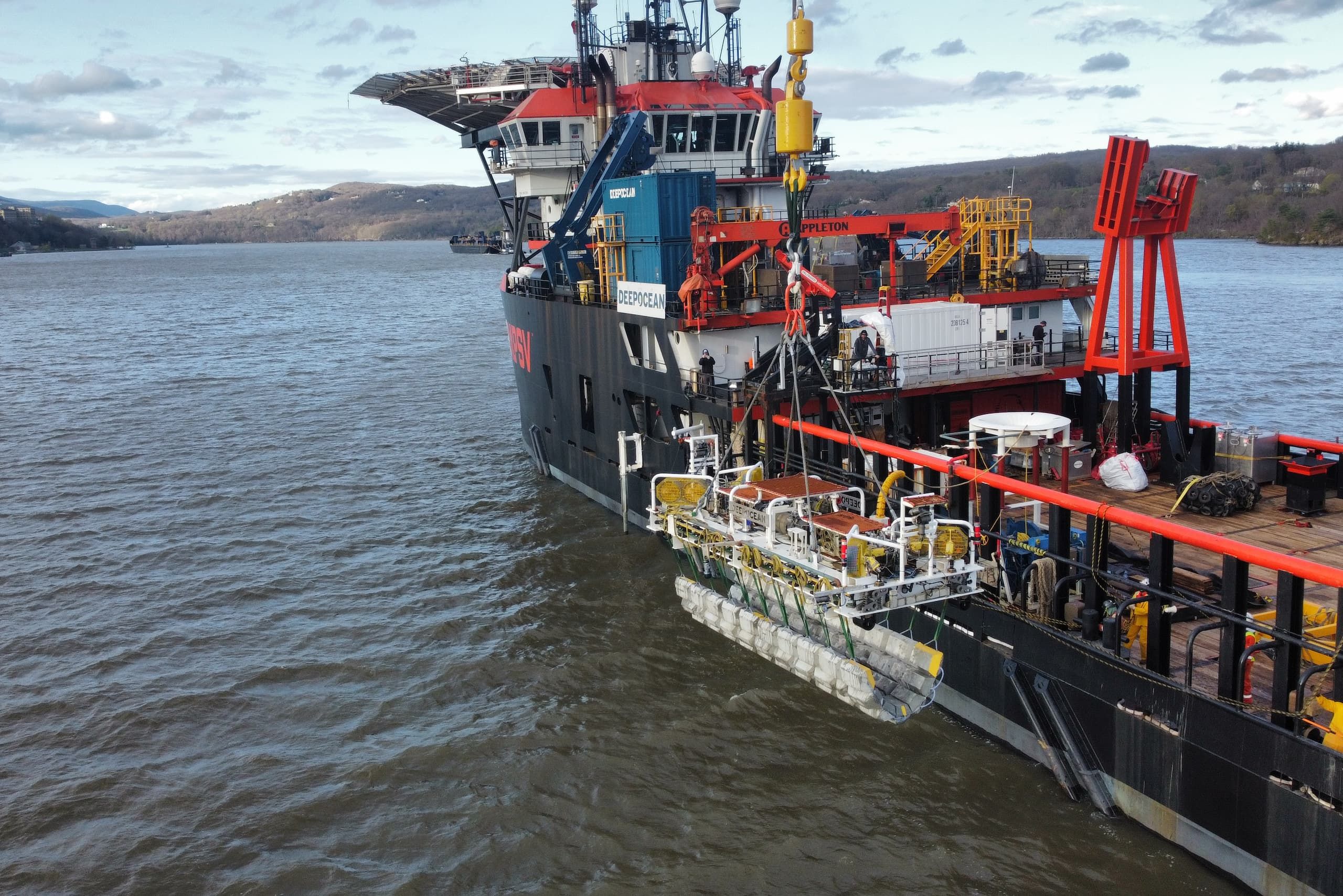
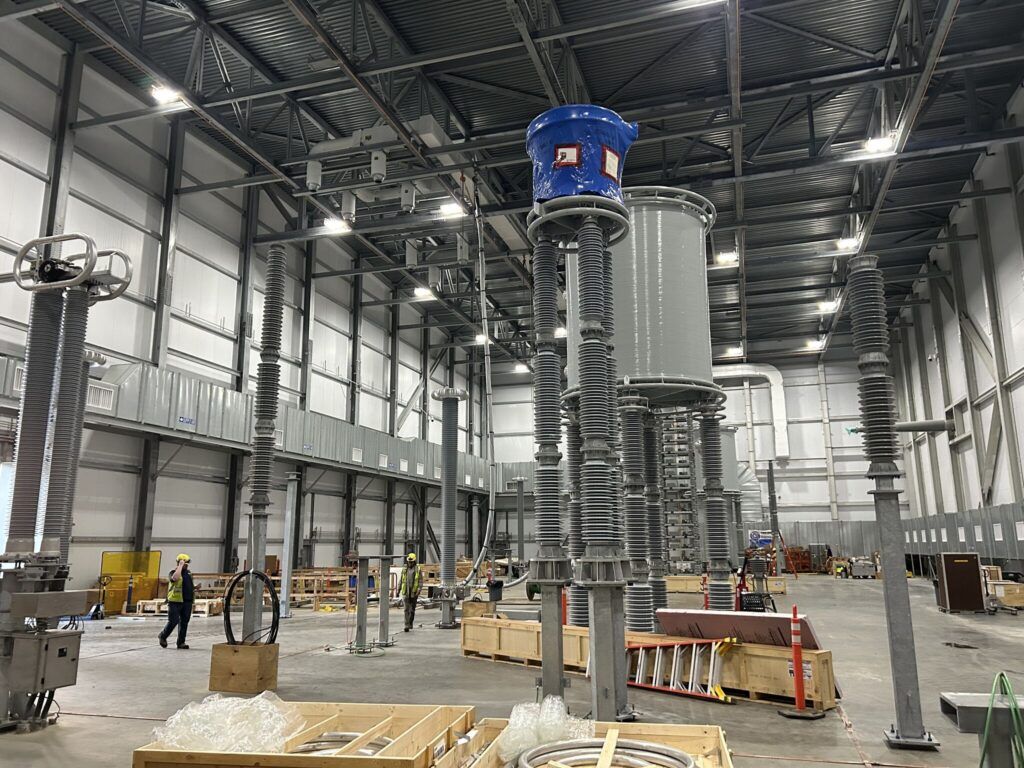
The transmission system itself is enabled by Prysmian Group, a global leader in high-voltage cable manufacturing, supplying the infrastructure used throughout both submarine and underground sections of the route. Hitachi Energy provides the HVDC converter technology at the Astoria station, enabling efficient long-distance transmission and integration into New York City’s electrical grid.
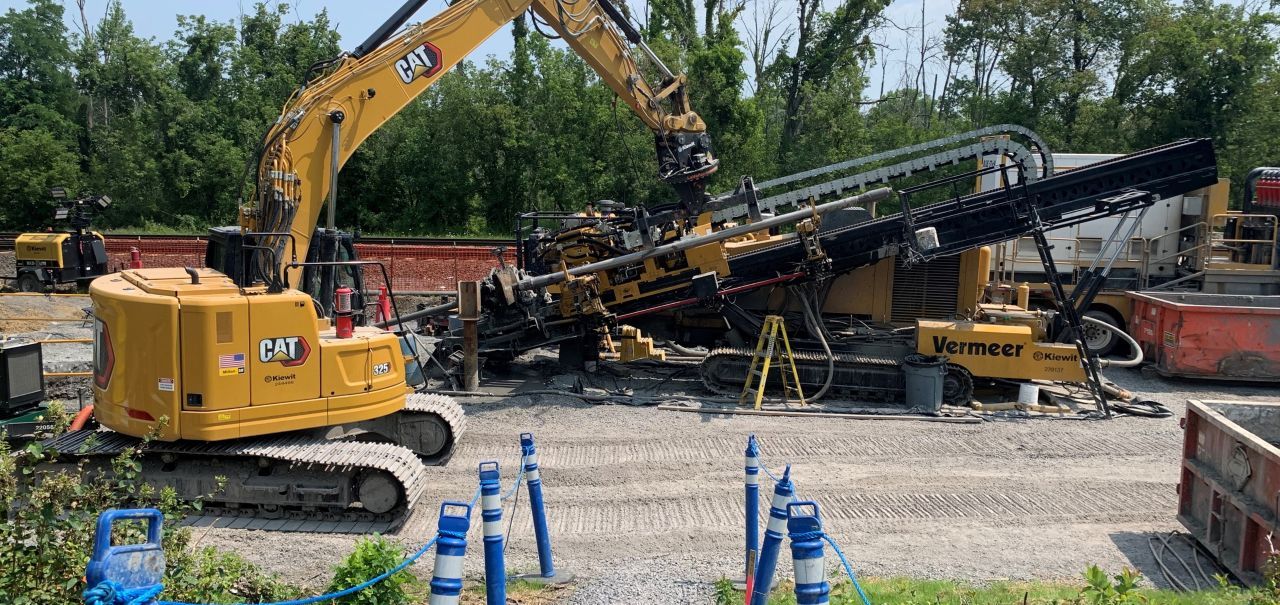
At peak construction, the project employed more than 2,000 workers across 22 separate trade disciplines and 15 local union chapters, operating under a series of project labor agreements covering the full length of the route. In 2025, the project's horizontal directional drilling operations were recognized as the Trenchless Technology New Installation Project of the Year, reflecting the precision and scale Kiewit brought to the job.
A project of this size creates significant stormwater management and sediment control demands at every stage of construction. New York State's SPDES permit requirements, part of the federal NPDES permitting framework, mandate strict best management practices at every point where construction vehicles leave an active job site. For a linear infrastructure project like CHPE, where heavy equipment and haul trucks enter and exit dozens of concurrent worksites every day, maintaining consistent, permit-compliant trackout control across such an extended corridor is one of the most persistent operational challenges a site team faces.
Traditional trackout control methods are not well-suited to a project like this. Gravel construction entrances require constant replenishment. Tire wash stations consume large volumes of water and fuel, need daily maintenance, and are time-consuming to set up and tear down as the job advances. Manual sweeping is labor-intensive and inconsistent. As Kiewit's crews progressed steadily south from the Champlain Valley through the Hudson Valley and toward New York City, the project needed a trackout control solution that could keep pace with construction without adding operational burden to an already complex job.
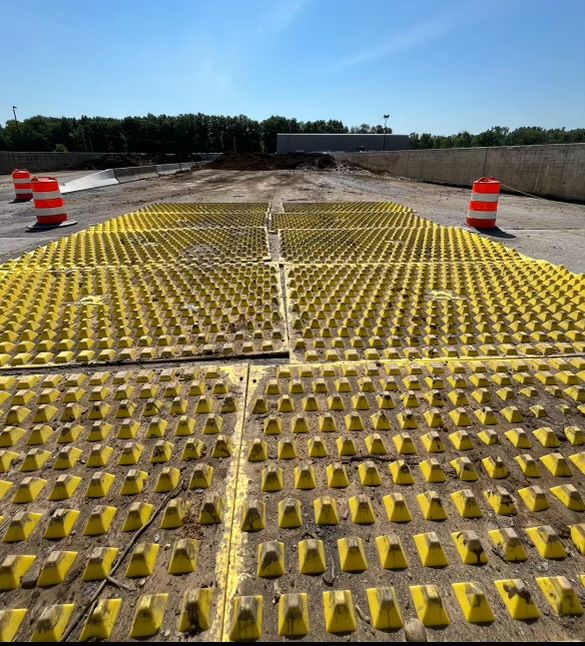
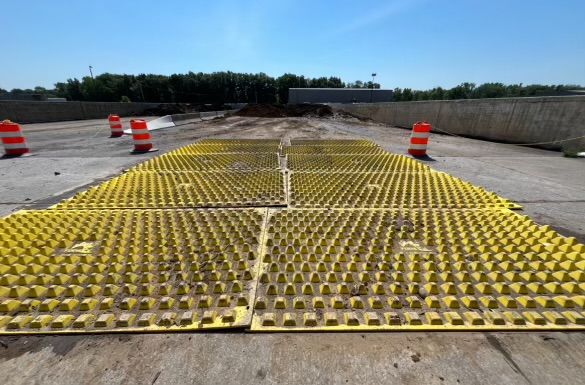
To meet the trackout control and SPDES compliance demands of the CHPE project, Kiewit deployed the FODS Trackout Control Mat system across active construction zones along the transmission corridor.
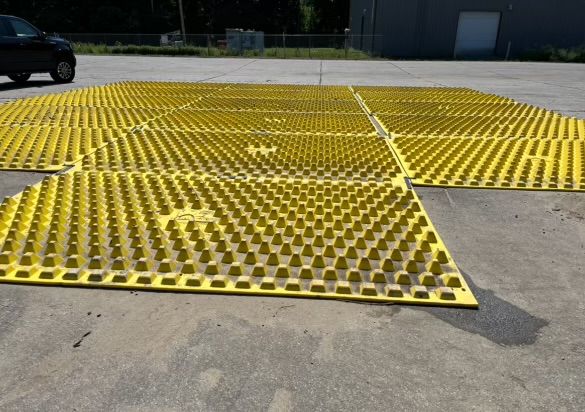
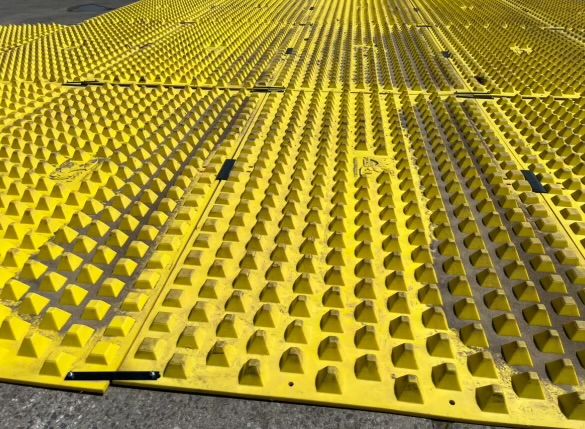
FODS trackout control mats are a proven, reusable alternative to traditional wheel wash systems and gravel construction entrances. The mats are manufactured from high-density polyethylene, or HDPE, and feature a patented pyramidal surface design that is the core of how the system works. As construction vehicles drive over the FODS mats at site exits, the pyramid-shaped teeth flex vehicle tires to dislodge soil, aggregate, and debris trapped in the tread before those materials can be carried onto public roadways, into drainage systems, or toward nearby waterways.
The system requires no water, electricity, or fuel to operate. There is no power infrastructure to set up, no water supply to connect, and no fuel costs to manage. FODS mats interlock to cover the full width of a construction entrance and can be deployed in a fraction of the time required to establish a conventional wheel wash station. When a worksite advances down the corridor, the mats can be picked up and relocated quickly, making them an ideal fit for the continuously moving, linear construction environment that defines the CHPE project.
With FODS deployed at active site entrances across the CHPE construction corridor, Kiewit's teams maintained compliance with best management practices at every access point throughout construction. Trackout of soil and debris onto public roadways was consistently controlled, regardless of weather conditions, season, or soil type encountered along the route.
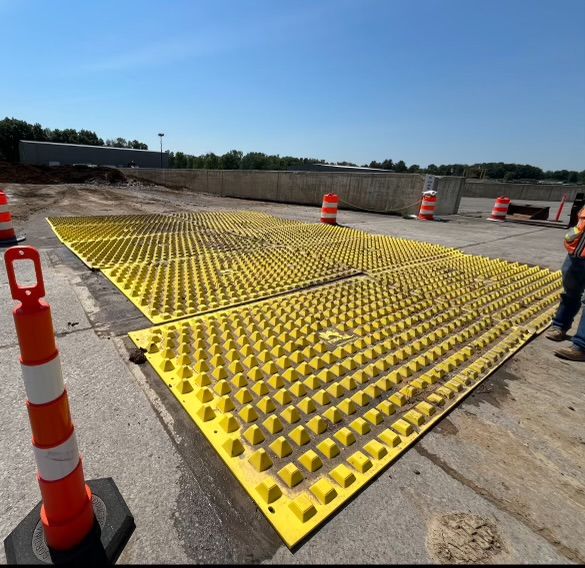
The portability of the FODS system was especially valuable on a project of this length and complexity. As construction crews advanced south along the corridor through varying terrain and ground conditions, FODS mats moved with them. There was no need to abandon fixed infrastructure or invest in a new setup at each successive work zone. The system performed equally well in the rural farmland of the Champlain Valley, along river crossings in the Hudson Valley, and in the urban construction environment approaching New York City.
The elimination of water and power requirements also meant that FODS contributed to a leaner, more efficient site operation at each location, freeing up equipment and labor that would otherwise be dedicated to maintaining conventional trackout control infrastructure.
The Champlain Hudson Power Express is on schedule for commercial operation in 2026. When the first megawatt of clean Quebec hydropower flows through the Astoria converter station and into New York City's grid, it will mark a defining moment for the state's clean energy future and a major step toward meeting New York's climate commitments.
FODS is proud to support Kiewit and the CHPE project team in maintaining stormwater compliance and trackout control standards across one of the most ambitious construction projects in New York State history. As the energy infrastructure of the northeast continues to evolve, FODS remains committed to being on the job site, keeping construction sites clean, protecting communities and waterways, and helping contractors meet their compliance obligations without slowing down.