At EBMUD's Upper San Leandro Water Treatment Plant in Oakland, California, FlatironDragados is managing a major infrastructure modernization within an active water treatment facility. With heavy construction traffic, limited space, and residential streets surrounding the site, controlling sediment trackout is an important part of the project. FODS Trackout Control Mats provide a compact, reusable solution to help keep mud and debris on site and off public roadways.
Modernizing a Century-Old Water Treatment Facility
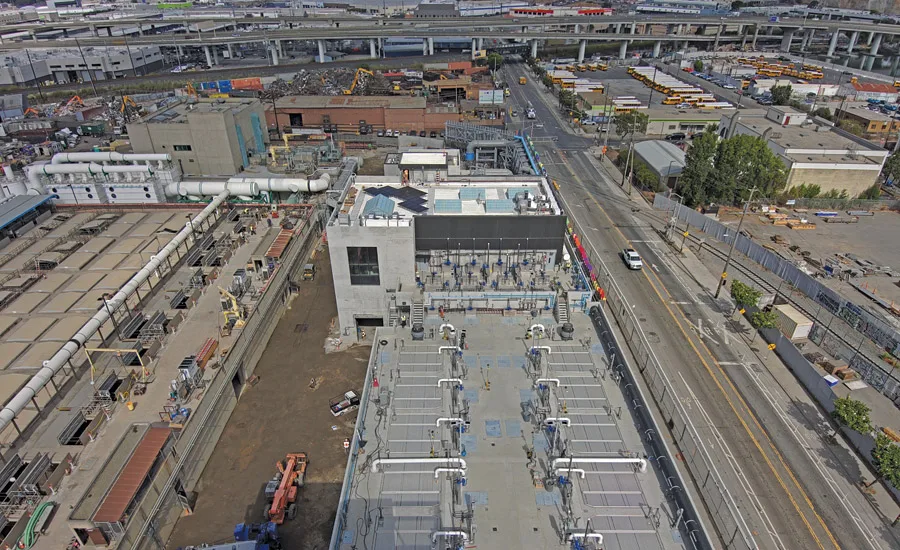
The Upper San Leandro Water Treatment Plant has supplied drinking water to California's East Bay since 1927. Operated by the East Bay Municipal Utility District (EBMUD), the plant is one of six facilities serving approximately 1.4 million water customers across Alameda and Contra Costa counties.
As part of a major modernization project, FlatironDragados is upgrading aging infrastructure, improving seismic resilience, and enhancing the facility's water treatment capabilities. The work includes replacing the below-grade chlorine contact basin, upgrading sedimentation and flocculation systems, rehabilitating pumps and pipelines, and constructing new facilities to support long-term operations.
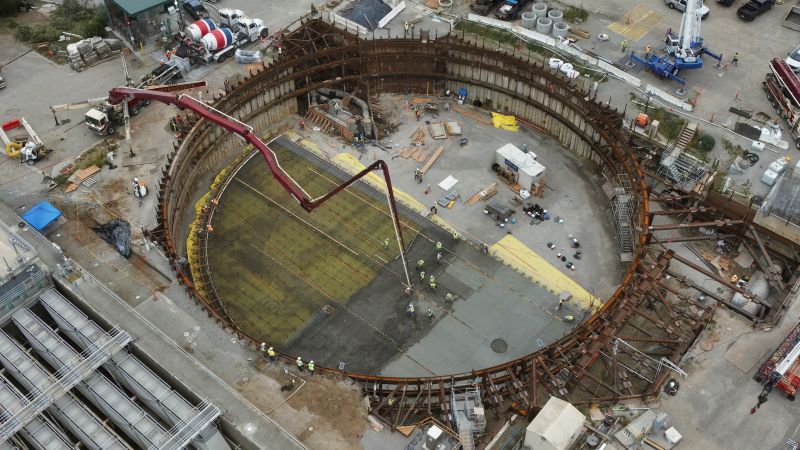
One of the project's most complex engineering features is a 165-foot-diameter compression ring, among the largest of its kind, supporting construction of the new chlorine contact basin within the plant's confined footprint.
With completion anticipated in summer 2028, the multi-year project requires careful coordination to minimize disruptions to ongoing water treatment operations while accommodating construction vehicles, equipment, and material deliveries.
The Challenge: Heavy Truck Traffic in a Residential Neighborhood
Unlike construction projects located in open or undeveloped areas, the Upper San Leandro Water Treatment Plant sits within an established residential neighborhood. Homes and public streets are located just beyond the facility's fence line, making sediment control especially important.
Throughout construction, concrete trucks, haul trucks, and delivery vehicles regularly enter and exit the site. As these vehicles travel across active work areas, mud and sediment can accumulate in their tire treads and be carried onto surrounding roadways.
Without effective trackout control, this material can create additional street maintenance requirements, potential safety hazards, and stormwater compliance concerns.
The site's limited space presented another challenge. Traditional rock construction entrances require room for aggregate installation and can accumulate sediment over time. As the rock becomes saturated with debris, additional maintenance, replenishment, and eventual removal may be necessary.
For a multi-year infrastructure project with changing access requirements, maintaining or relocating a traditional aggregate entrance could create additional work and expense.
FlatironDragados needed a trackout control solution that could accommodate heavy construction traffic, fit within the available space, and remain practical to maintain as the project progressed.
The Solution: A Compact, Reusable Construction Exit
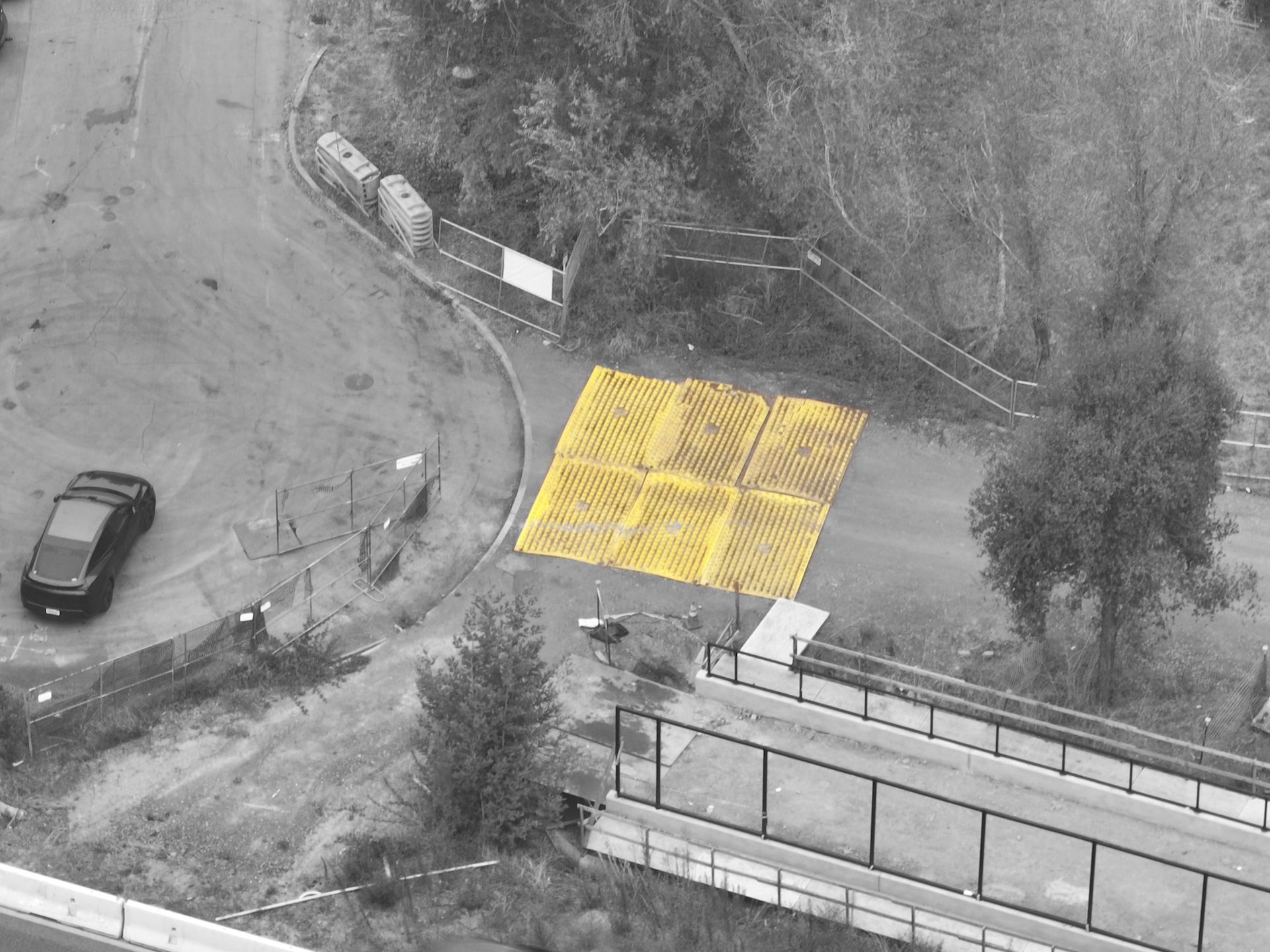
To address these challenges, FODS Trackout Control Mats were installed in a 2x2 configuration at the site exit near the concrete truck staging area.
The compact layout provides a designated tire-cleaning surface before vehicles enter the surrounding residential streets, without requiring an extensive traditional rock construction entrance.
Each FODS mat features a series of raised, staggered pyramids designed to flex vehicle tire treads as trucks drive across the surface. This mechanical action helps dislodge mud, sediment, and debris trapped between the tire treads, allowing material to collect between the pyramids rather than being carried onto public roads.
The system operates without an external water or power source, providing a straightforward approach to trackout control during daily construction activities.
For FlatironDragados, the modular design also offers flexibility throughout the project's changing construction phases. Individual mats can be disconnected, relocated, and reconfigured as vehicle routes and site access requirements evolve.
This adaptability is particularly valuable at an active water treatment facility, where construction activities must be coordinated around existing infrastructure and ongoing operations.
Supporting Long-Term Site Operations
With construction extending through 2028, the ability to maintain the entrance efficiently is an important consideration.
Unlike traditional aggregate entrances that may require additional rock or eventual excavation and replacement, FODS mats can be cleaned while remaining installed. Sediment collected between the pyramids can be removed using standard maintenance equipment, allowing the entrance to continue serving construction traffic.
The reusable design also reduces the need to rebuild the trackout control entrance as site conditions change. With an expected service life of more than ten years, the mats can be used on future projects after work at Upper San Leandro is complete.
Beyond trackout control, the project reflects FlatironDragados' broader commitment to safe construction practices. The Upper San Leandro team received recognition through United Contractors' 2025 R.E.A.L. Safety Awards in the Most Unique Safety Project category, highlighting its approach to managing complex construction risks.
A Practical Solution for Complex Infrastructure Projects
The Upper San Leandro Water Treatment Plant modernization demonstrates the importance of selecting trackout control solutions that work within the constraints of an active construction site.
For FlatironDragados, the challenge involves more than managing mud and sediment. The team must accommodate heavy truck traffic, protect surrounding residential streets, work within limited space, and adapt to changing construction activities over several years.
By installing FODS Trackout Control Mats in a compact 2x2 configuration, the project has a reusable construction exit designed to help reduce sediment trackout while supporting ongoing site operations.
As work continues toward the anticipated summer 2028 completion, FODS provides a practical approach to managing construction traffic at the point where the active work zone meets the surrounding neighborhood.