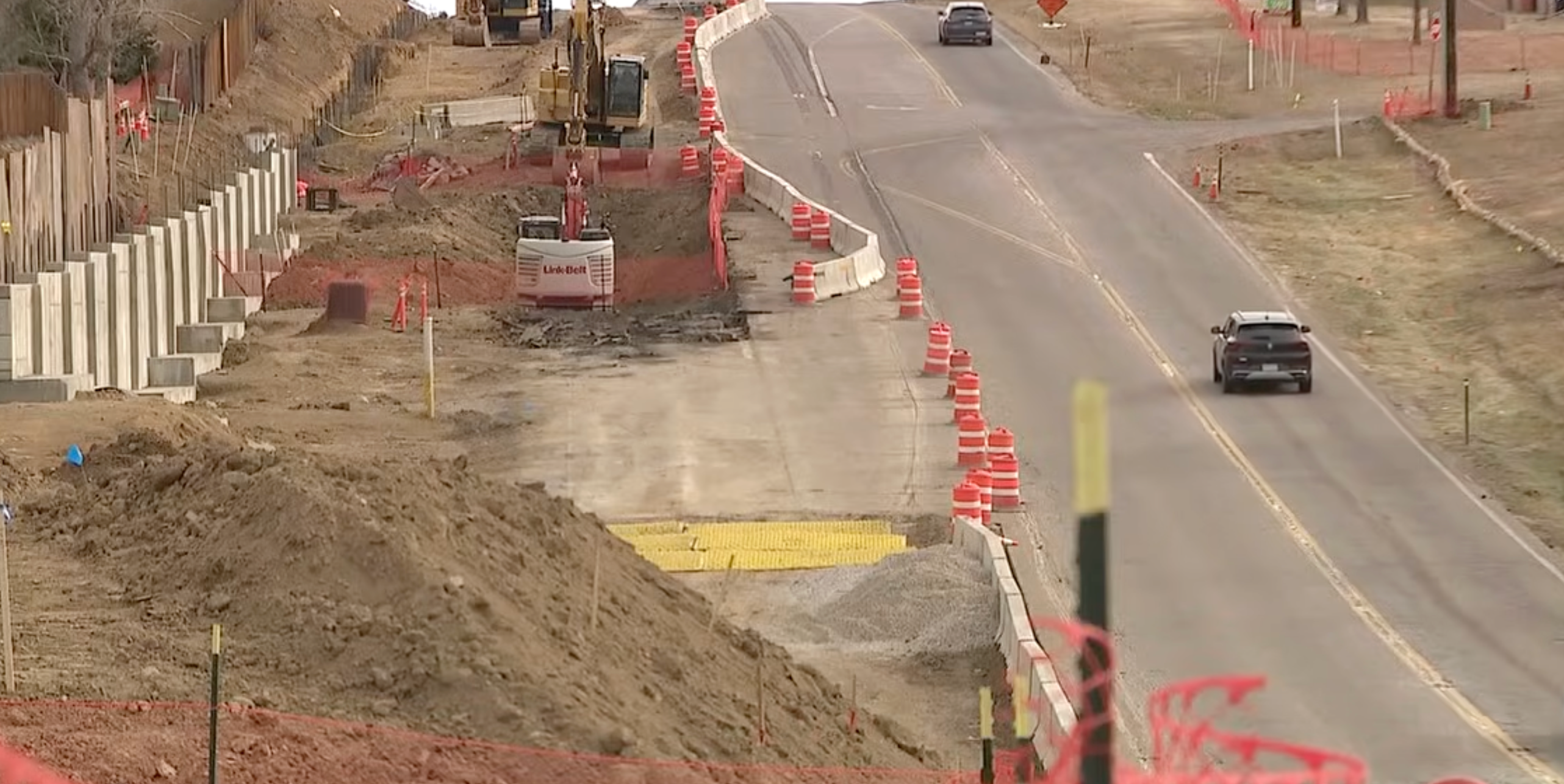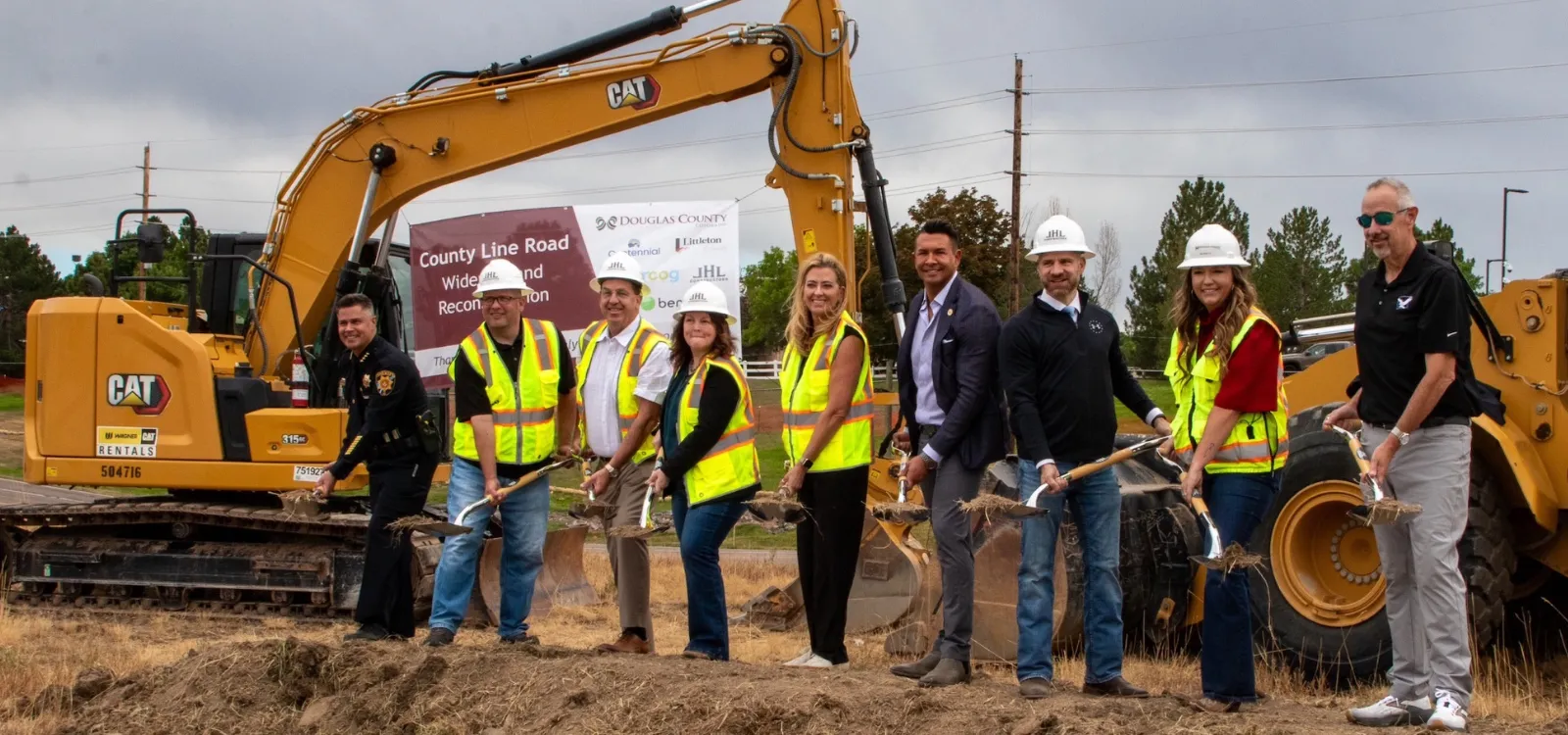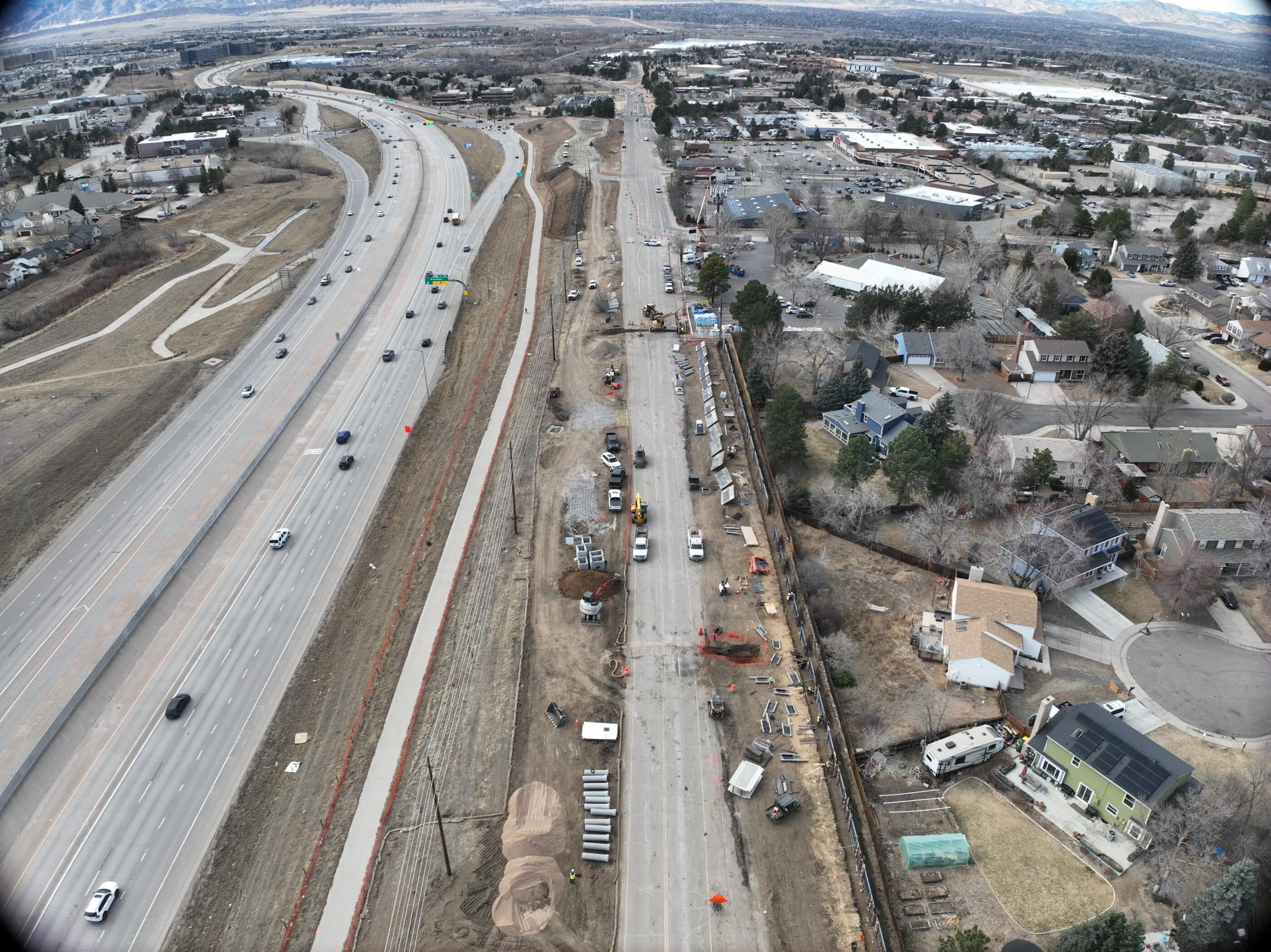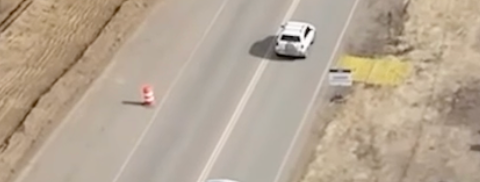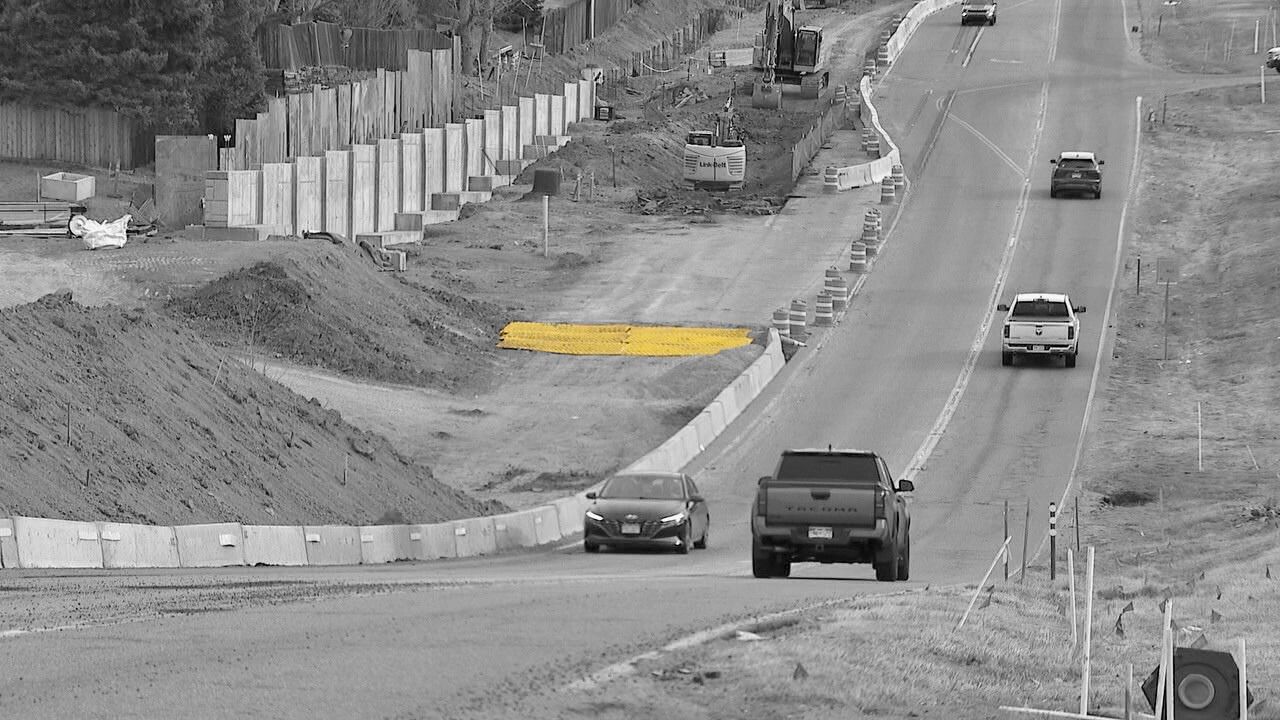
County Line Road is one of the most heavily traveled arterials in the south Denver metro, averaging roughly 25,000 drivers per day and serving as the literal dividing line between Douglas and Arapahoe counties. In September 2025, Douglas County broke ground on a $30 million reconstruction and widening project along the corridor between University Boulevard and Broadway, in partnership with the City of Centennial, the City of Littleton, the Highlands Ranch Metro District, and the Denver Regional Council of Governments. The scope includes widening the roadway from two lanes to four, adding a new traffic signal at the Clarkson Street and County Line Road intersection, a mill and overlay through the City of Littleton between Phillips Avenue and Broadway, and new sidewalks on both sides of the roadway. Once complete in September 2027, the corridor will provide a safer, higher-capacity connection for commuters, school traffic, first responders, and the businesses that line the route.
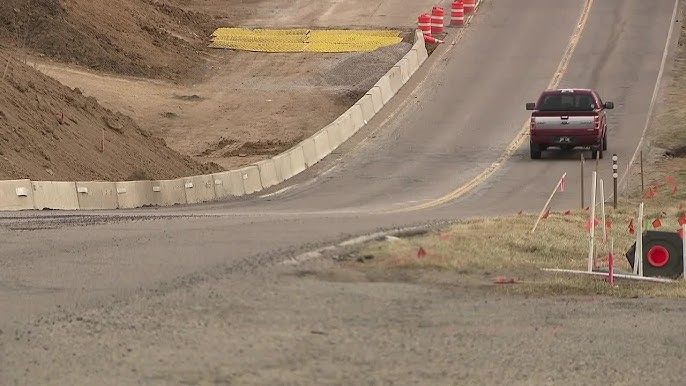
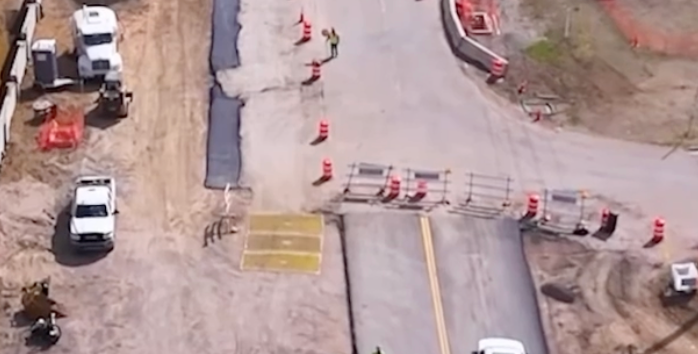
The single most visible phase of the project was a full 100-day closure that began Tuesday, January 6, 2026, between Clarkson Street and the U-Haul business access. During that window, crews had to import, move, and place a large volume of dirt at Lee Gulch in order to level the long-standing dip in the roadway. Removing that low point was critical to improving drainage, driver line of sight and overall public safety on the finished corridor. The closure reopened on schedule in mid-April 2026, and work on the remaining phases of the widening continued without interruption.
JHL Constructors was selected as the general contractor for the project, with Benesch serving as the lead engineering partner. JHL is a 100% employee-owned, Colorado-based builder with nearly four decades of experience in the state and a strong self-perform infrastructure program covering transportation, water and wastewater, and large-scale land development. The firm was named ENR Mountain States Contractor of the Year in 2022 and has a reputation for delivering complex urban roadway projects that demand tight coordination with municipalities, utilities and the traveling public. On County Line Road, that coordination extended across two counties and three municipalities, with active businesses and residential streets on both sides of the work zone.
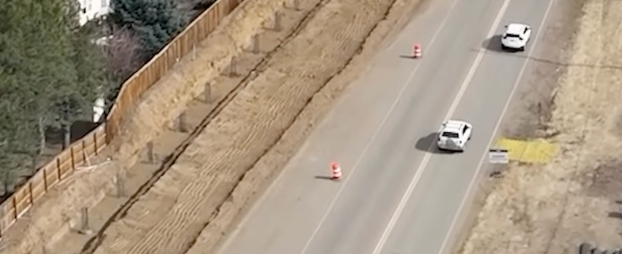
Any project of this scale carries significant stormwater and trackout exposure. Earthwork at Lee Gulch alone generated high volumes of loaded truck traffic moving in and out of the construction zone each day, and those vehicles were exiting directly onto active regional arterials adjacent to schools, retail and residential neighborhoods. Without an effective Vehicle Tracking Control BMP, mud and sediment from those tires can quickly migrate into adjacent travel lanes, where it becomes both a water quality issue under NPDES stormwater permits and a real safety hazard for everyday drivers and cyclists. For a corridor carrying 25,000 vehicles a day, any trackout onto the open portions of the road is visible, immediate and public.
JHL selected the FODS Trackout Control System as the trackout BMP for the project. The FODS system replaces the traditional rock construction entrance with a reusable, engineered mat. Alternating rows of pyramids flex the tire tread as vehicles drive across the pad, dislodging mud, soil and debris before the tires ever touch the public roadway. The captured material is contained in the base of the mat, where it can be swept or vacuumed clean in minutes rather than requiring the delivery, regrading and eventual removal of loose aggregate. Because the system is rockless, there are no stray stones working their way onto County Line Road from the construction entrance itself, an important consideration on a high-speed arterial actively carrying traffic right next to the work zone.
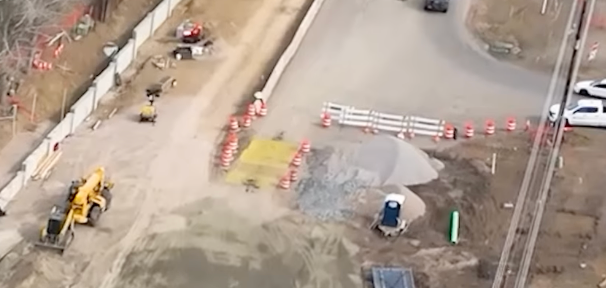
The reusability of the FODS system was a strong fit for a phased, multi-year corridor project. The Lee Gulch fill operation was just one of several work areas along the nearly half-mile closure, and additional phases of widening, paving and signal work continue to move down the corridor through 2027. Rather than importing and disposing of aggregate at each new staging point, JHL can simply relocate the same mats, clean them on site and redeploy them at the next construction entrance. The mats install in about 30 minutes, travel on a standard trailer and hold up in the freeze-thaw, snow, and heavy-rain conditions that are standard for a Denver-area winter and spring build.
For Douglas County and its partners, County Line Road is a long-term investment in a shared regional lifeline. For JHL, it is another opportunity to show that modern BMPs can protect public waterways and the traveling public at the same time. By pairing disciplined earthwork with the FODS Trackout Control System, the team kept sediment on the jobsite, kept the open portions of County Line Road clean, and kept the project moving on the schedule commuters were counting on.