A new manufacturing facility is under construction in Woodridge, Illinois, as Demeter Millwork expands its production capacity to support growing demand for architectural millwork and specialty interior fabrication across the United States. Architectural millwork refers to custom-built interior elements such as cabinetry, wall paneling, trim, and decorative wood features used in commercial buildings. The approximately 53,000-square-foot facility will increase the company’s custom manufacturing capacity, create new jobs, and strengthen the region’s industrial and construction economy.
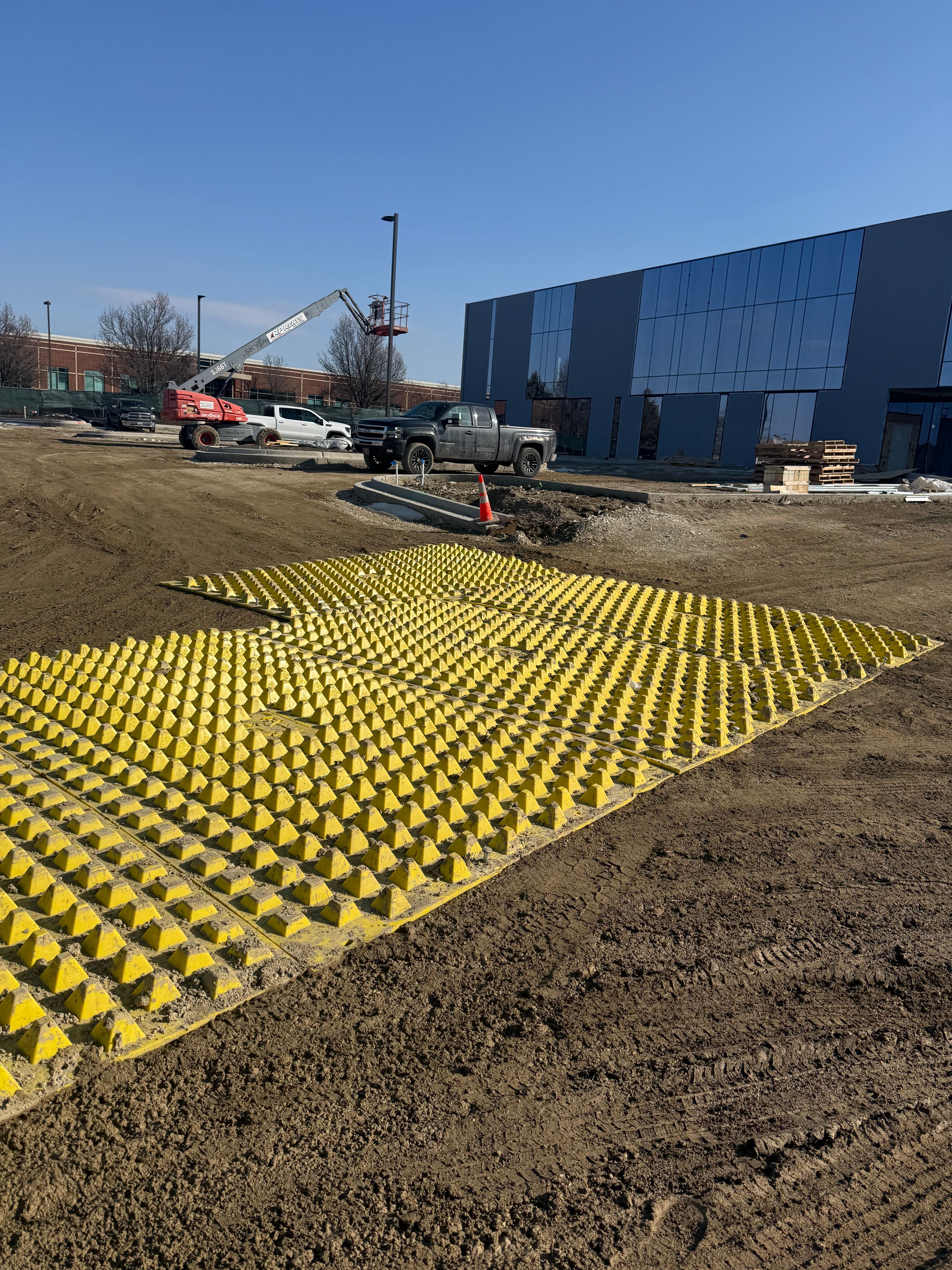
Demeter Millwork announced plans for the Woodridge facility as part of its continued growth and investment in modern manufacturing. Founded in 2010 and currently located near Chicago’s West Loop and Fulton Market neighborhoods, the company specializes in architectural millwork, custom cabinetry, and interior fabrication for commercial, hospitality, and retail environments nationwide.
According to the company, the new facility is designed as a state-of-the-art manufacturing plant with operations expected to begin in 2026. Sustainability is a central focus of the building’s design, with the project targeting nearly net-zero energy consumption. The expansion will allow Demeter Millwork to increase production capacity, improve project lead times, and continue delivering the high level of craftsmanship the company is known for.
Helios Construction Services is leading the construction of the new facility, coordinating a team of contractors, structural suppliers, and fabrication specialists throughout the project. Once complete, the plant will support expanded production of high-end cabinetry, architectural millwork, and custom interior components used in hospitality, retail, commercial, and institutional projects across the country.
The project reflects a broader trend in modern manufacturing, where companies are investing in facilities that improve workflow efficiency, expand production capabilities, and integrate advanced fabrication technologies. For Demeter Millwork, the Woodridge location also provides strategic access to transportation infrastructure, regional labor, and construction activity throughout the Midwest.
The building itself is designed to support modern manufacturing through large open production spaces, durable structural systems, and flexible layouts that allow fabrication equipment, staging areas, and material-handling systems to operate efficiently. Structural components supplied by Dukane Precast contribute to the building’s durable framework, while wide structural spans and high interior clearances provide the flexibility required for large-scale manufacturing operations.
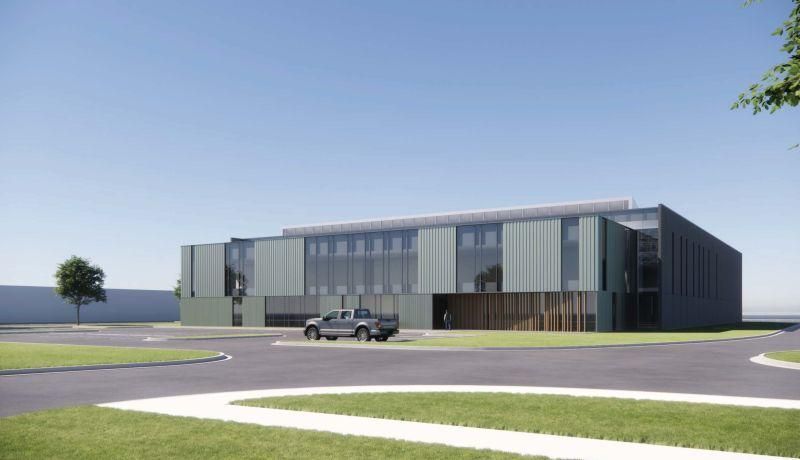
Projects of this scale typically involve continuous vehicle movement as contractor traffic enters and exits the jobsite throughout the day. Ground-up industrial developments require extensive site preparation, foundation work, and structural installation, generating significant construction traffic.
Managing construction site entrances becomes especially important under these conditions. Mud, soil, and sediment carried off the jobsite by vehicle tires, a common issue known as construction trackout, can quickly accumulate on nearby roads, creating safety concerns and increasing the need for roadway cleanup. Maintaining clean construction site entrances and exits helps protect surrounding infrastructure, improve road safety, and support stormwater compliance under the project’s SWPPP and erosion control plan requirements.
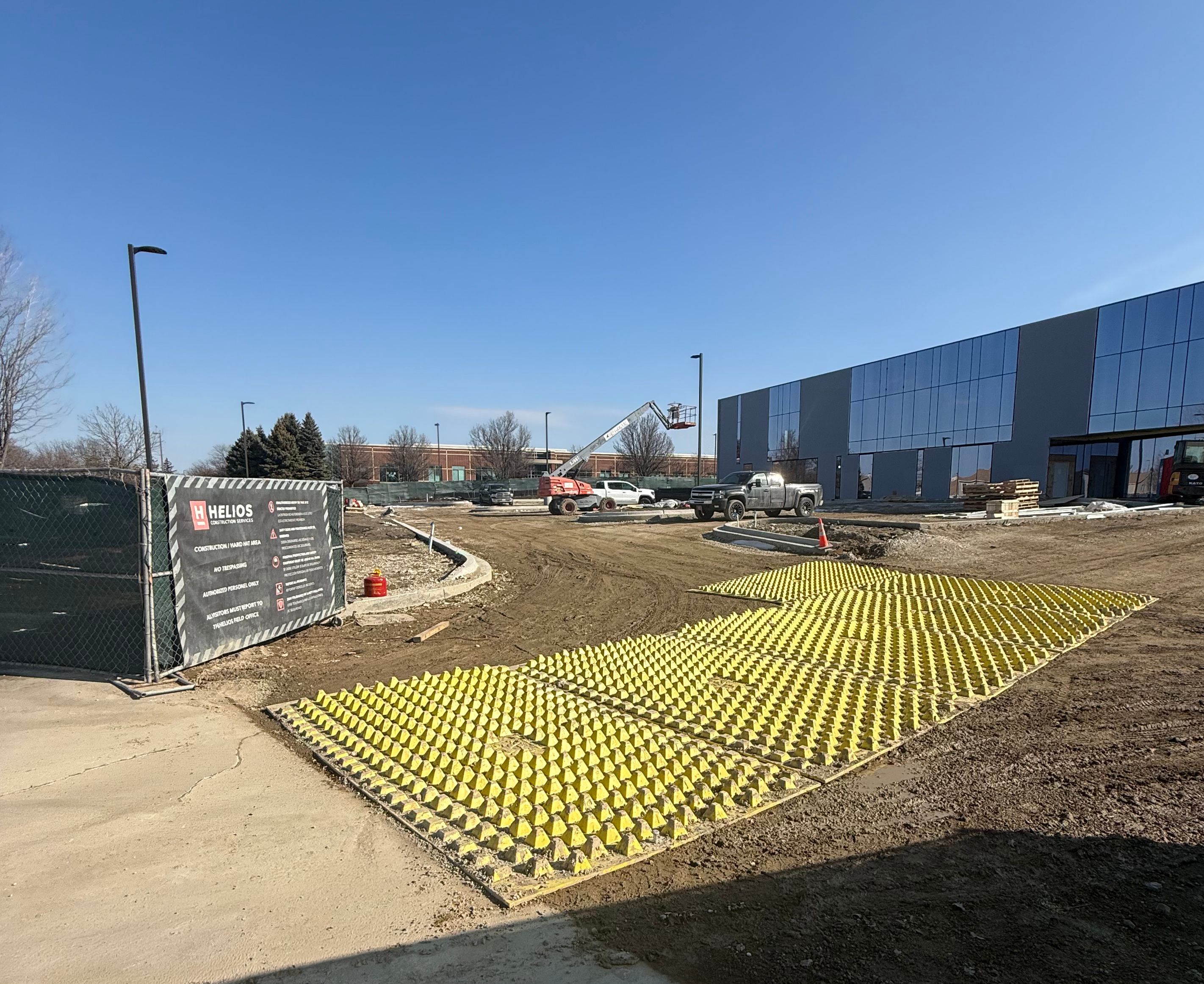
As construction progressed on the Woodridge facility, crews moved through multiple phases of site preparation, implementation of their erosion control BMPs as part of the site's Stormwater Pollution Prevention Plan (SWPPP), structural installation, and building enclosure. Coordinating these activities required the steady movement of contractor vehicles entering and leaving the project area.
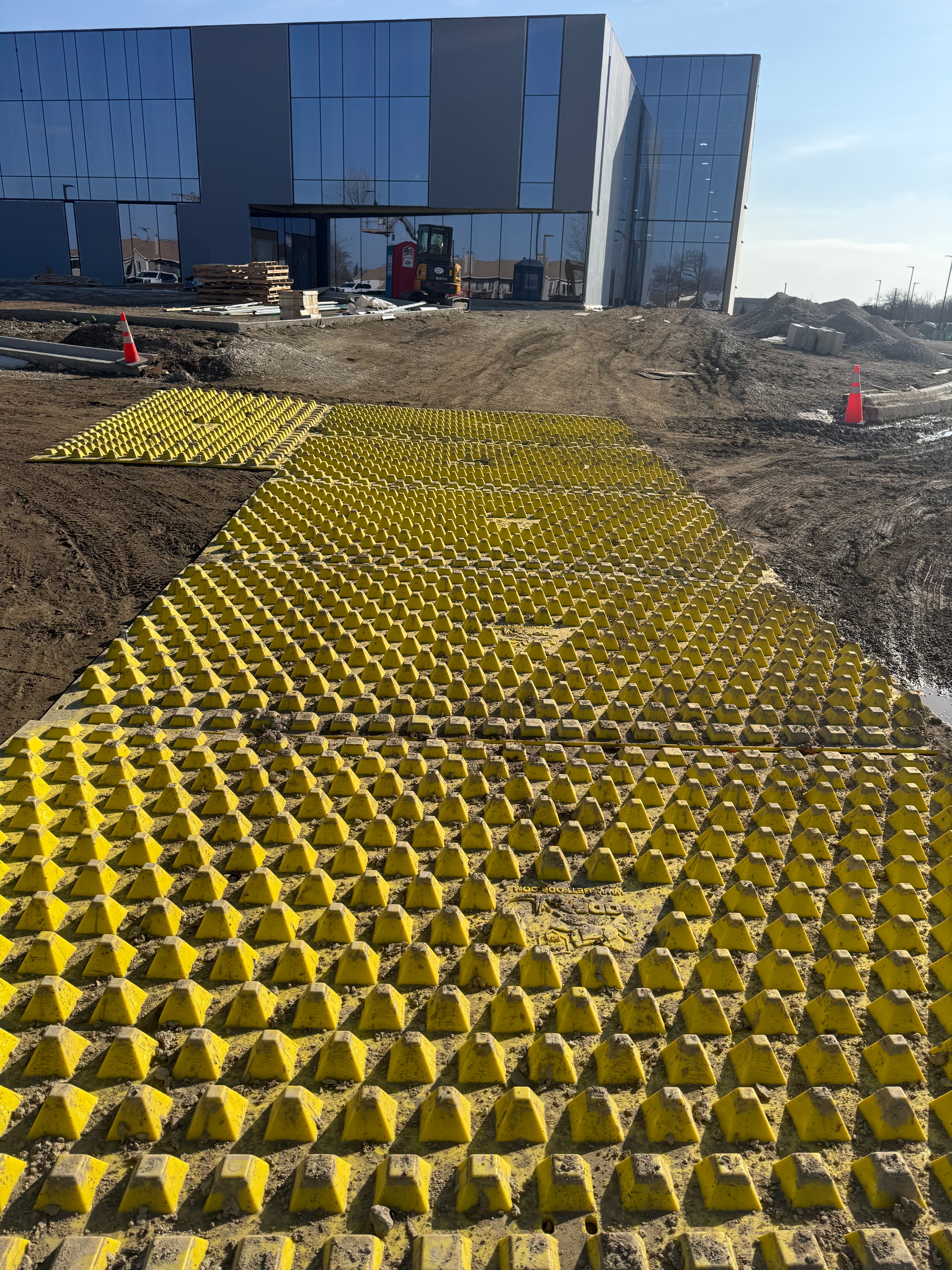
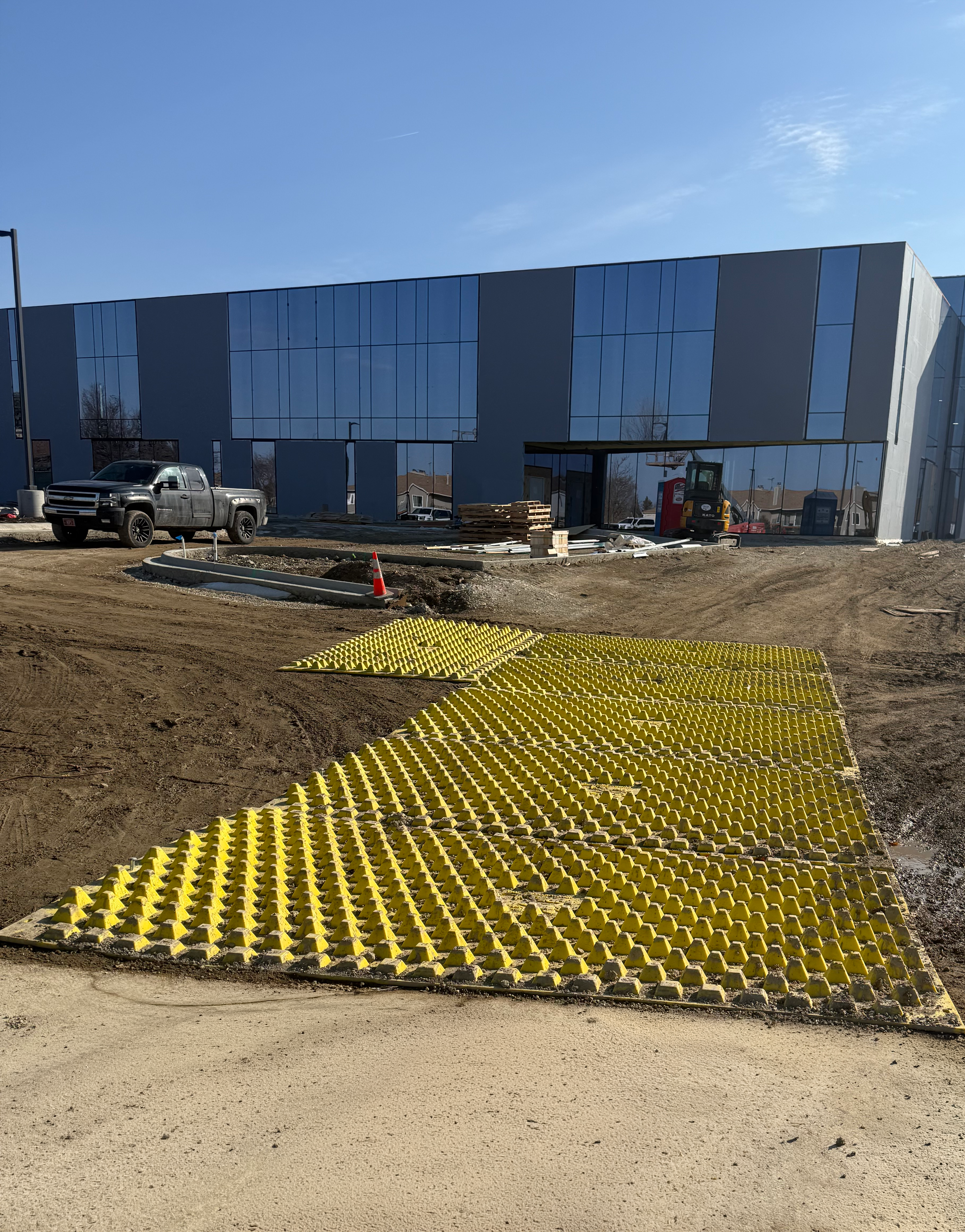
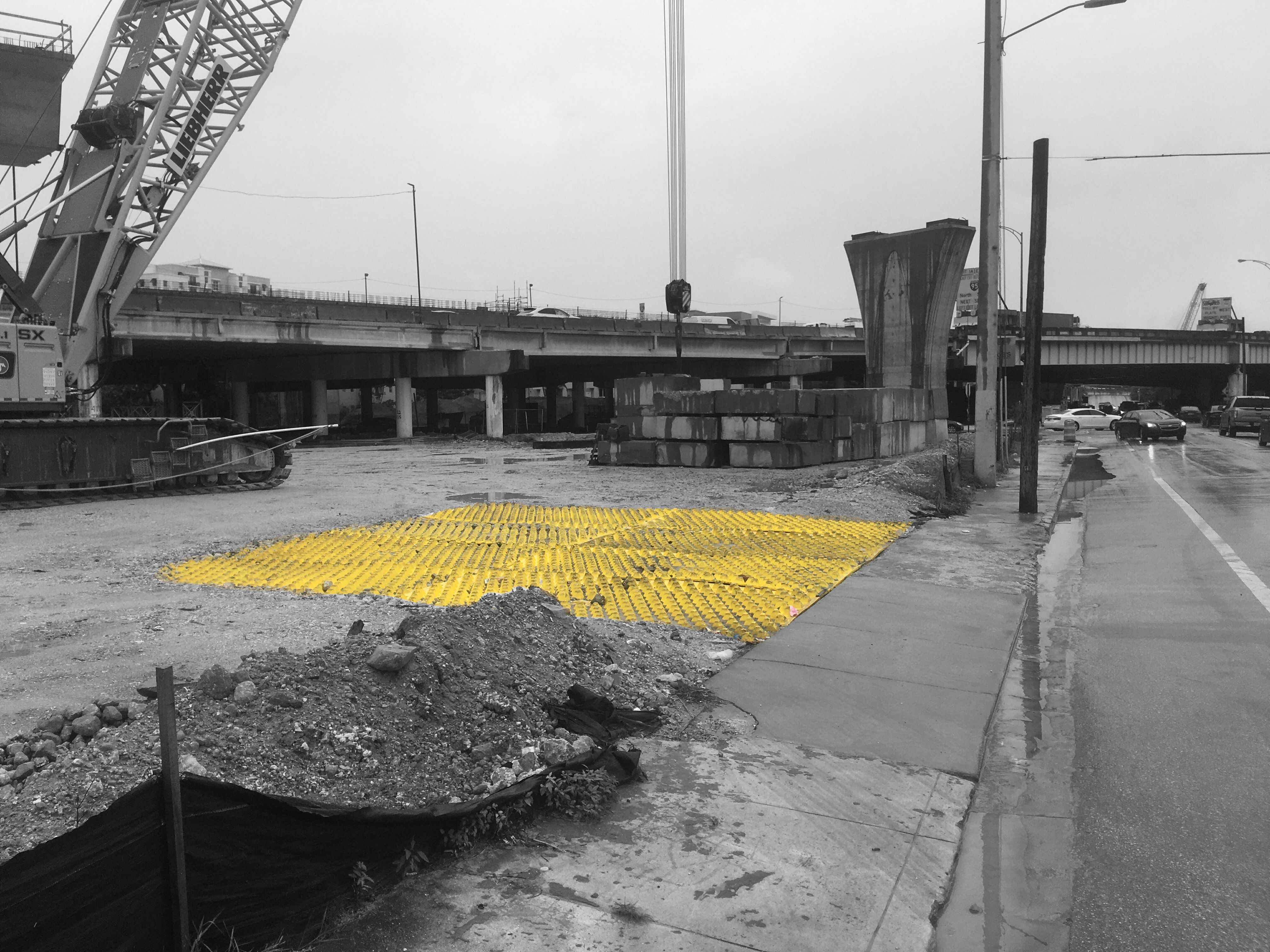
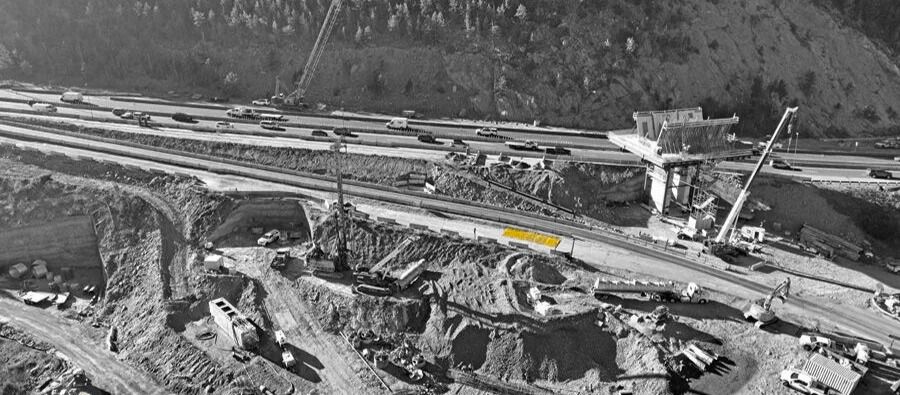
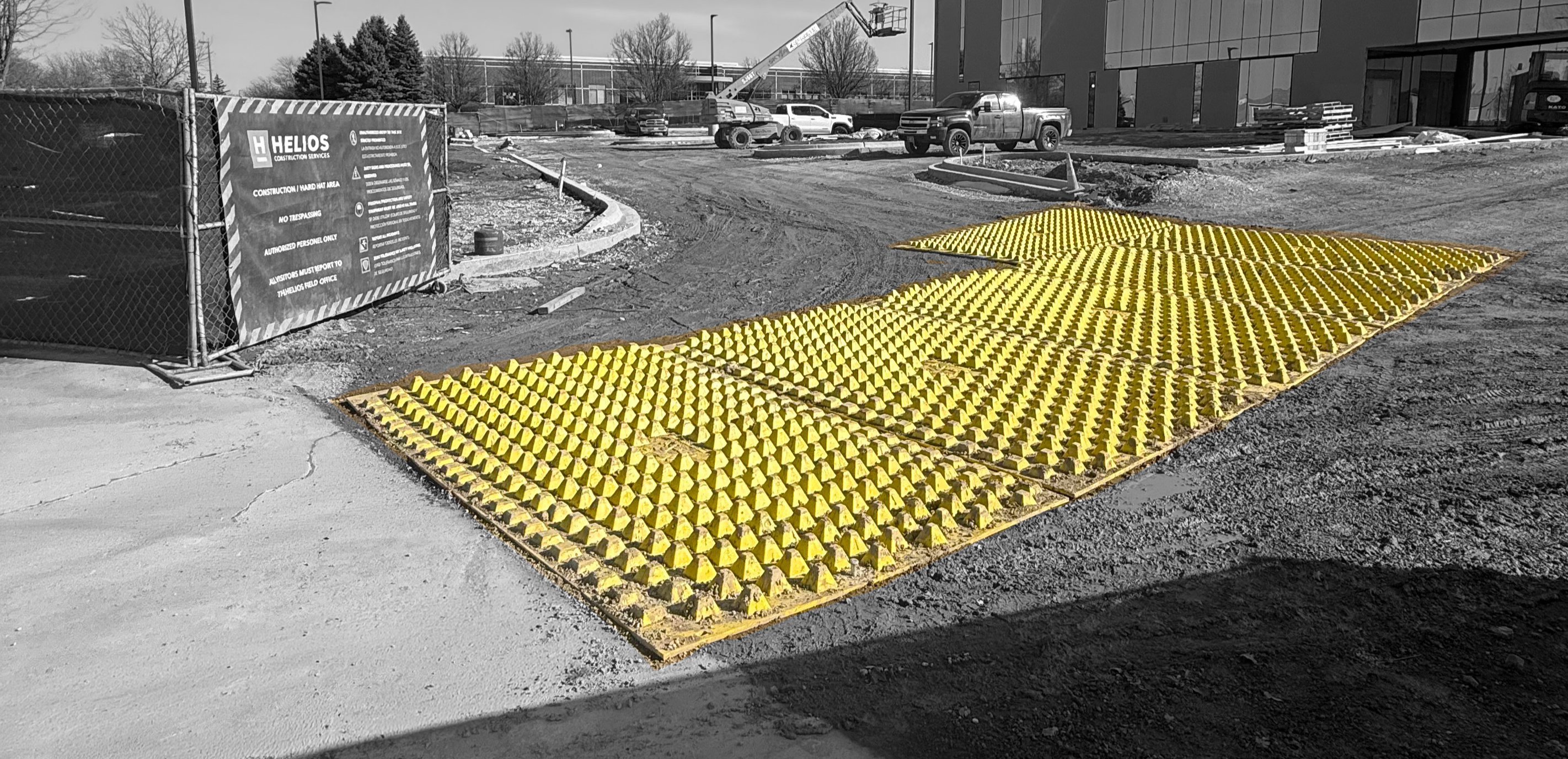
To help maintain cleaner construction site exits, crews installed FODS Trackout Control Mats at key access points during the project. The reusable mats provide a reusable construction entrance alternative to traditional rock-based Stabilized Construction Entrance systems by flexing under truck tires as they exit the site, helping prevent mud, sediment, and debris from reaching nearby pavement.
The engineered HDPE pyramid surface of the mats helps dislodge debris from tire treads while providing a stable driving surface for both heavy equipment and daily contractor traffic. This reusable construction trackout control system helps reduce sediment tracked onto surrounding roads and minimizes the need for sweeping and ongoing roadway maintenance.
By helping limit sediment leaving the jobsite, the system supports stormwater compliance and sediment control requirements outlined in the project’s SWPPP and erosion control plan, helping contractors maintain compliance with environmental regulations overseen by the Illinois Environmental Protection Agency (IEPA).
Because the mats can be repositioned or reused as project logistics evolve, they support flexible construction site planning and can adapt as access points shift during different phases of the build. This allows contractors to maintain consistent trackout prevention without relying on traditional aggregate construction entrances that often require frequent replacement.
As the new manufacturing facility nears completion, the project will expand Demeter Millwork’s ability to deliver complex architectural fabrication projects nationwide. The Woodridge plant will support advanced manufacturing capacity while strengthening the company’s presence within the Midwest’s growing construction and manufacturing sector.
The development also reflects continued investment in industrial facilities that support fabrication, manufacturing, and construction supply chains. By combining durable building systems, adaptable production space, and coordinated construction practices, the Demeter Millwork facility contributes to ongoing industrial growth in the Chicago metropolitan region.
As projects like the Woodridge facility continue to shape regional infrastructure, maintaining clean, controlled construction site entrances and exits remains an important part of responsible jobsite management. Trackout control solutions, such as FODS Trackout Control Mats, help contractors reduce sediment leaving the jobsite, keep surrounding roads cleaner, and support safe, compliant stormwater management and construction operations.