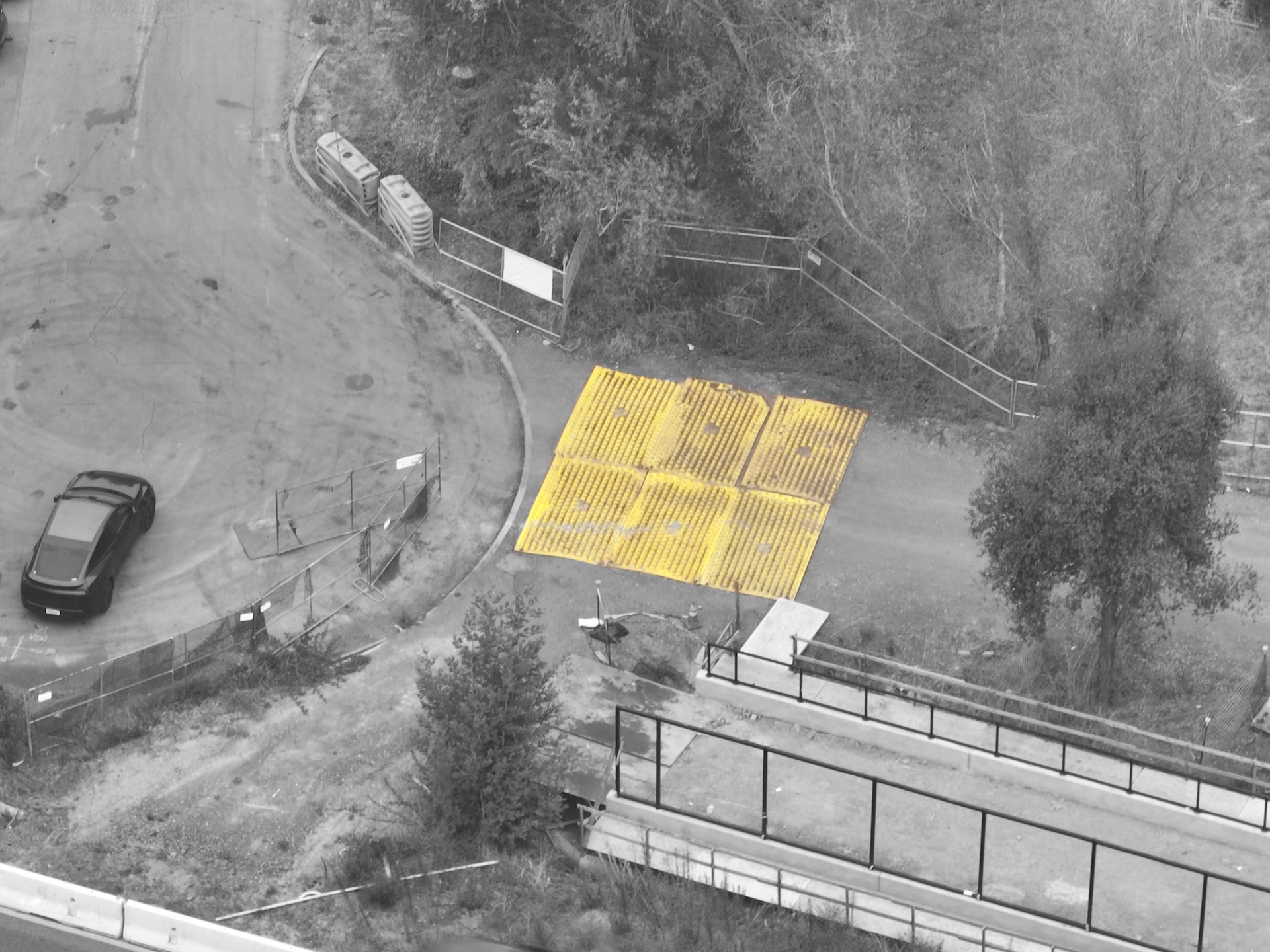
Manitoba Stabilized Construction Entrances and Trackout Control
The Environment Act, the Water Protection Act, and Lake Winnipeg Sediment Control
Manitoba sits at the bottom of a vast watershed, where the Red and Assiniboine rivers meet at Winnipeg and drain north into Lake Winnipeg, one of the largest freshwater lakes in the world and one under close scrutiny for nutrient and sediment loading. Construction across the Winnipeg region, the Red River Valley, and the province's highway and hydro corridors moves earth on flat, flood-prone clay soils near sensitive waters. On all of it, keeping sediment on the job site and off public roads is a core compliance duty, and a stabilized construction entrance is one of the first controls installed and inspected.
Manitoba Environmental Regulation
Manitoba regulates construction discharges under The Environment Act, administered by the department responsible for environment and climate change, which controls the release of pollutants, including sediment, into the environment. The Water Protection Act supports water quality management across the province, with particular attention to the health of Lake Winnipeg and its watershed. Manitoba projects also fall under the federal Fisheries Act, so letting construction sediment reach a fish-bearing water can carry federal liability in addition to provincial requirements.
Municipal and Transportation Requirements
The City of Winnipeg and other municipalities, along with Manitoba Transportation and Infrastructure, set erosion and sediment control expectations on their projects. An erosion and sediment control plan is prepared for the site, and the construction entrance is one of the controls watched most closely, because on flat terrain with clay soils, tracked sediment moves easily from the road into ditches, swales, and storm drains that lead to the Red River and Lake Winnipeg.
The Aggregate Construction Entrance and Its Limits
Manitoba guidance describes the traditional construction entrance as a pad of coarse aggregate placed over a geotextile fabric at every site exit, built to knock sediment loose from tires, with runoff directed to a sediment control. The weakness of the aggregate pad is maintenance. On Manitoba's heavy clay soils the stone quickly fills with sticky mud, loses its ability to clean tires, and must be topped up or replaced, while any material tracked onto the road has to be removed promptly. When the stone pad alone is not enough, a wheel wash sprays tires with pressurized water and drains to a sediment trap, adding water handling and cleanout and the risk of ice on the road through a cold Manitoba winter. Each option carries a recurring cost and a maintenance cycle that a durable manufactured entrance can avoid.
FODS as a Compliant Construction Entrance in Manitoba
Manitoba evaluates a construction entrance on whether it performs the required function, removing sediment from tires before vehicles reach the road, and the operator specifies the chosen practice in the erosion and sediment control plan. FODS Trackout Control Mats can be named directly in that plan as the site's stabilized construction entrance, satisfying the same purpose as the aggregate pad while removing the loose stone and the heavy maintenance the traditional design depends on. Keeping sediment out of the storm system is especially valuable in a watershed where Lake Winnipeg's health depends on reducing the sediment and nutrients that reach it.
FODS Trackout Control System
The FODS Trackout Control System is a reusable, manufactured construction entrance made of high-density polyethylene mats with a pyramid-shaped surface that works like the rough edges of crushed stone. As vehicles pass, the pyramids deform the tires and open the tread so sediment breaks loose and collects in the voids between the pyramids, clear of the tires. Each mat measures about 3.7 metres by 2.1 metres, and the modular design lets contractors build the entrance to fit the site. On high-traffic projects the system has reduced street sweeping by 59 percent compared with aggregate.
On Manitoba's clay soils, where a rock pad clogs quickly, the FODS surface keeps performing and is restored with a simple cleaning rather than fresh aggregate. The mats install over any substrate without excavation and can be relocated quickly as work advances, and because the system uses no loose stone there is nothing to lodge in dual tires or migrate onto active roadways. Maintenance is a quick pass with a skid steer broom, a powered sweeper, or a FODS shovel, and with a service life of more than ten years the same mats can be reused across projects, which shifts the cost of a construction entrance from a recurring expense to a one-time investment.
Risks of Vehicle Trackout on Roadways
Safety is a primary concern wherever construction traffic meets a public road. Aggregate exits deposit stone and debris onto pavement, creating hazards for drivers and workers, and loose rock can lodge between dual tires and be thrown at speed. Wheel washes add the burden of supplying and containing water and, in cold weather, the risk of dripping vehicles building ice on the road. FODS uses a rockless, water-free technique to clean tires and does not carry the same risk of injury or liability as aggregate entrances. The mats are durable and reusable across many projects, which reduces the environmental impact tied to aggregate production, hauling, and disposal. On Manitoba sites that drain to the Red or Assiniboine rivers and Lake Winnipeg, keeping stone and sediment off the road also helps keep it out of the water and out of fish habitat protected under the Fisheries Act.
Additional Resources
Manitoba Environment and Climate Change
Manitoba The Water Protection Act