Toronto, Ontario
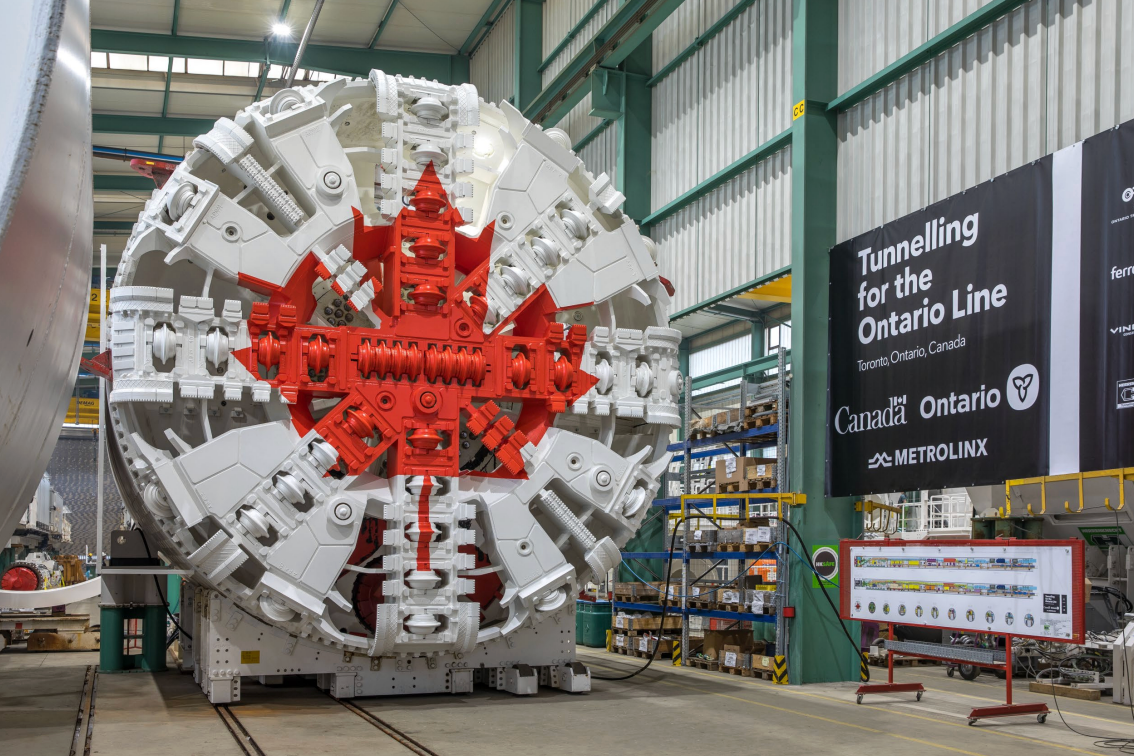
The Ontario Line is one of the largest public transit investments currently underway in Eastern Canada, intended to improve how people move through the Greater Toronto Area. With an estimated total value of approximately $27 billion, it is among the most significant public transit infrastructure projects ever undertaken in the province. Delivered by Metrolinx, an agency of the Government of Ontario, the 15.6-kilometre rapid transit line will run from Exhibition Place through downtown Toronto to the Ontario Science Centre area. Along the route, it will connect with multiple Toronto Transit Commission (TTC) subway lines, GO Transit services, and surface transit routes. The project is expected to relieve pressure on the existing Line 1 Yonge–University subway and support future growth across the region.
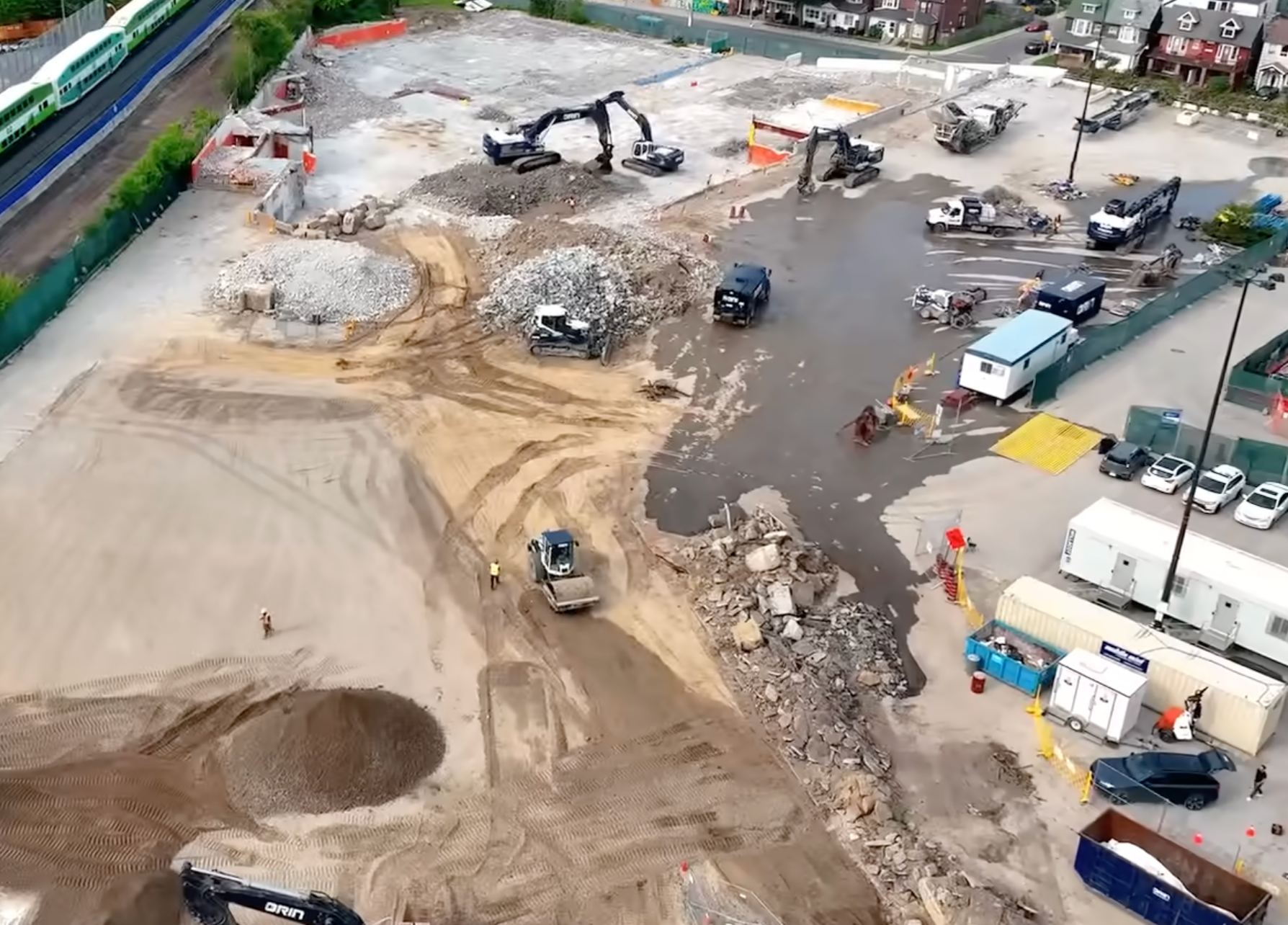
Construction at Exhibition Station, the western terminus of the Ontario Line, is a key part of this work. Located within the Exhibition Place district, the site sits alongside major roadways, active rail corridors, and year-round public destinations. With frequent events, transit activity, and surrounding development, managing construction access, vehicle movements, and environmental controls is essential to maintaining safety, meeting regulatory requirements, and minimizing disruption to the surrounding area.
Major Contractors on the Ontario Line
Construction of the Ontario Line involves some of the largest and most experienced heavy civil construction firms operating in Canada and internationally. The project is being delivered through multiple design-build and public-private partnership packages to manage its scale, complexity, and dense urban setting. These teams bring deep expertise in transit construction, tunnelling, stations, and large-scale infrastructure delivery.
One of the primary delivery teams is the Ontario Transit Group (OTG), a project team that includes Aecon, VINCI Construction Grands Projets, and Dragados. Aecon is one of Canada’s leading heavy civil contractors, with a long history of delivering major transportation and transit projects such as the Eglinton Crosstown LRT, GO Transit expansions, and multiple Toronto subway upgrades. VINCI Construction and Dragados are global leaders in underground and transportation infrastructure, with portfolios that include metro systems, major tunnels, and complex urban transit projects across Europe, North America, and Australia.
Other internationally recognized heavy civil contractors involved in major Ontario transit work include Webuild Group, an Italian-based firm known for delivering large-scale rail and tunnelling projects worldwide. Webuild has been involved in major Canadian transit projects such as the Hurontario LRT and Toronto subway and station works, bringing extensive experience in underground construction, complex staging, and high-traffic urban environments. Together, these firms reflect the scale and technical demands of the Ontario Line and underscore its position as one of the most significant heavy civil transit projects currently underway in North America.
Building in a dense urban area
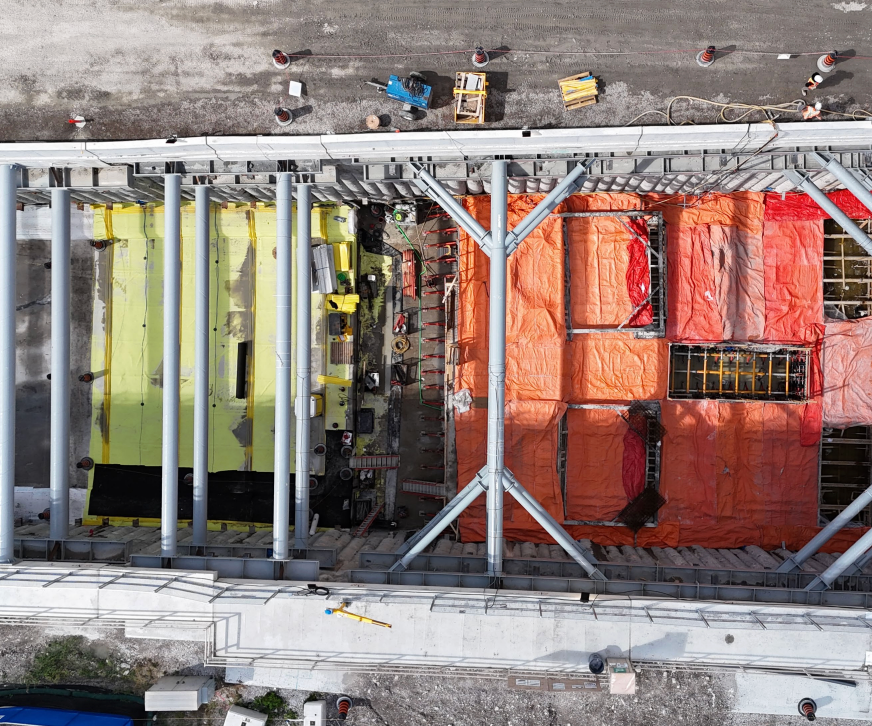
Construction at Exhibition Station includes excavation, foundation work, utility relocations, and early preparation for station and tunnel infrastructure. These activities involve frequent movement of heavy equipment and haul trucks as materials are brought in and removed from the site. Access routes are temporary and must accommodate changing work zones while remaining functional alongside ongoing transit operations and nearby public uses.
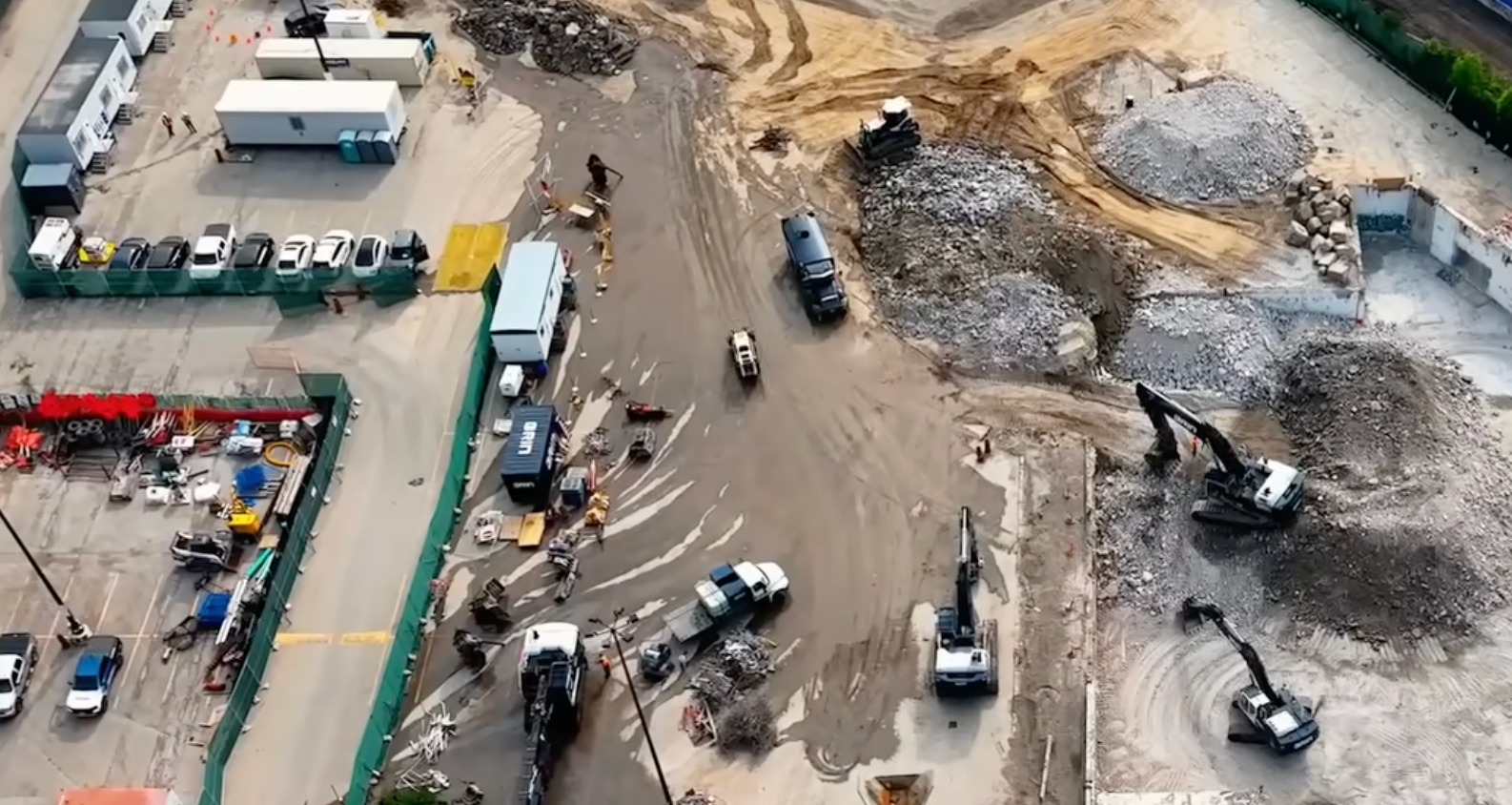
Ontario construction projects are subject to strict erosion and sediment control requirements, particularly in dense urban areas where construction activity interfaces directly with public roadways. Limiting the amount of mud and debris tracked off site is necessary to protect municipal streets, catch basins, and stormwater infrastructure that ultimately discharge to Lake Ontario. Failure to control trackout can lead to safety concerns, increased maintenance demands, and regulatory non-compliance.
At Exhibition Place, the constrained site footprint, high traffic volumes, and year-round public activity add further complexity. Construction access solutions must perform reliably during seasonal precipitation events, freeze–thaw cycles, and periods of heavy use, while also adapting as site layouts evolve. Maintaining stable, clean access points is essential to keeping work moving safely and minimizing disruption to the surrounding area.
Trackout control and Ontario compliance considerations
In Ontario, erosion and sediment control measures are governed by provincial legislation, including the Environmental Protection Act and the Ontario Water Resources Act, as well as municipal standards enforced by the City of Toronto. Guidance is further provided through Erosion and Sediment Control (ESC) guidelines developed by Conservation Authorities and widely applied across urban construction projects.
These requirements focus on preventing sediment from leaving active sites, stabilizing construction entrances and exits, keeping public roads clean, and maintaining controls through routine inspection and maintenance. For large infrastructure projects such as the Ontario Line, trackout control is both a compliance obligation and an operational necessity. Traditional aggregate construction entrances can be difficult to maintain in dense urban environments and often require frequent replacement, increasing material use and site maintenance demands.
Implementing manufactured trackout control
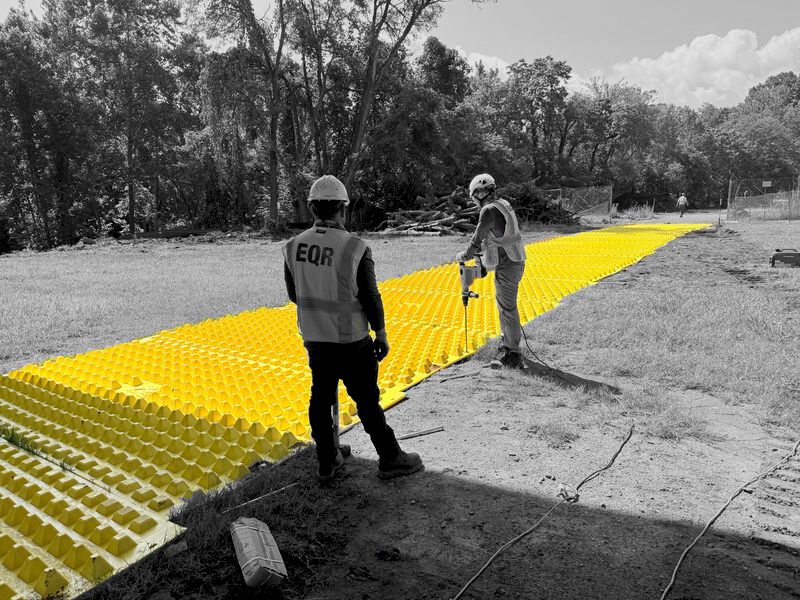
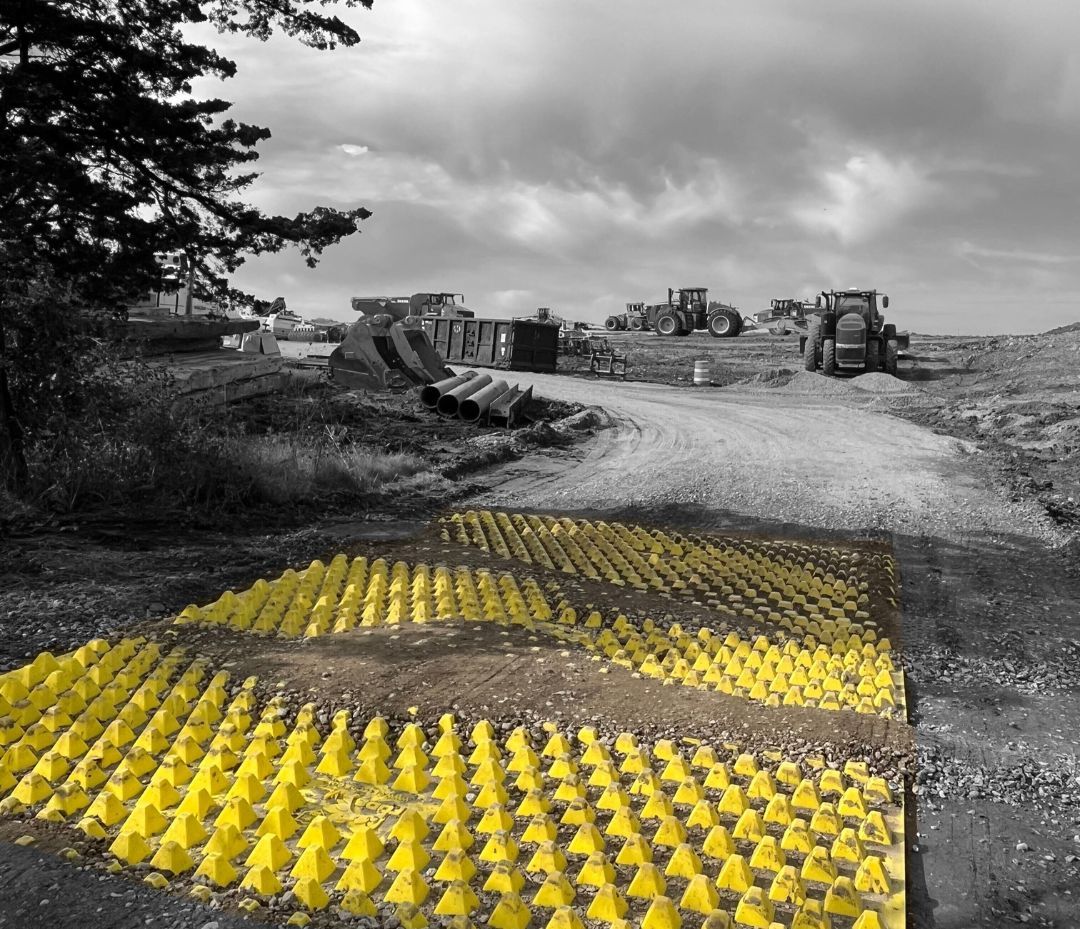
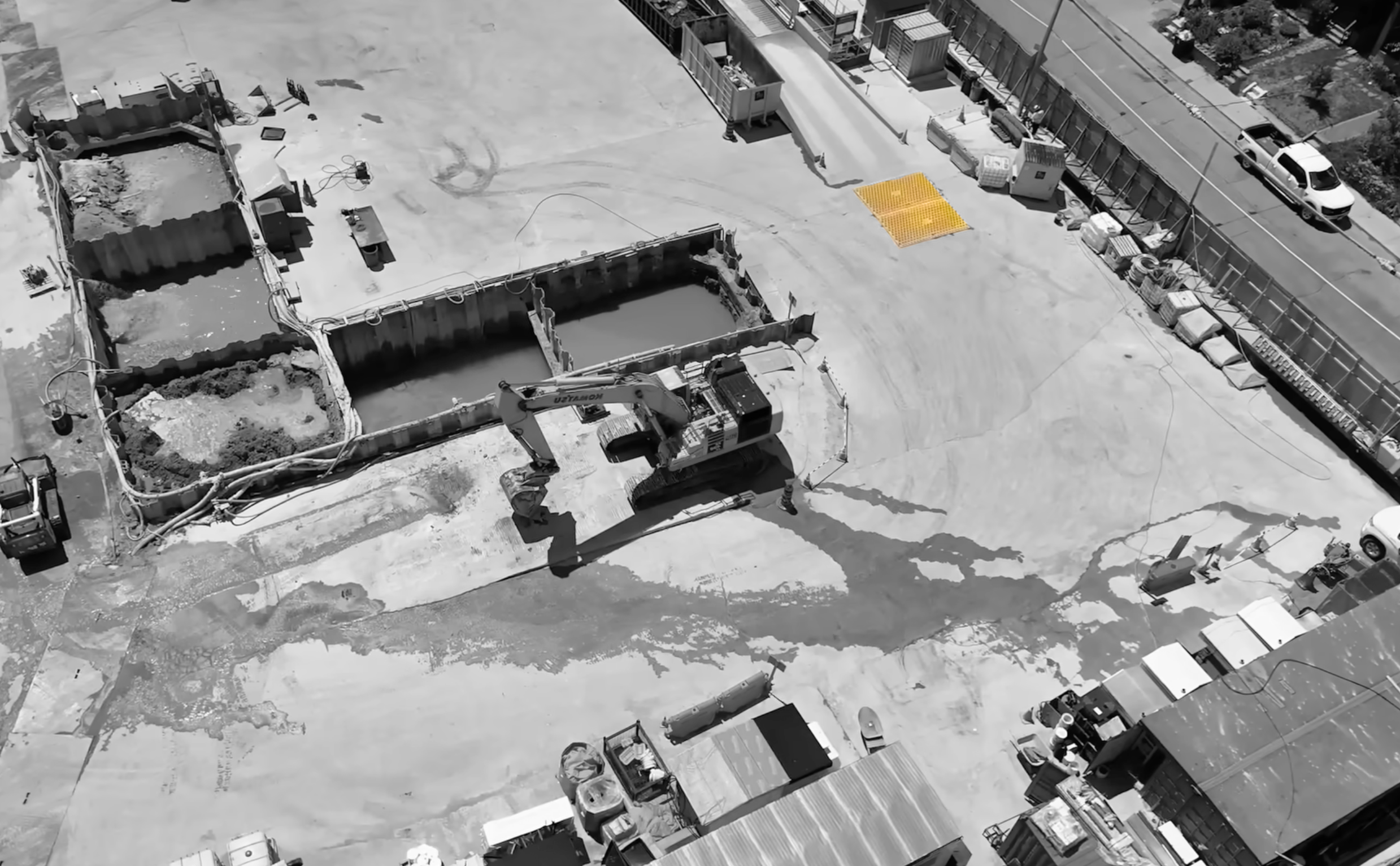
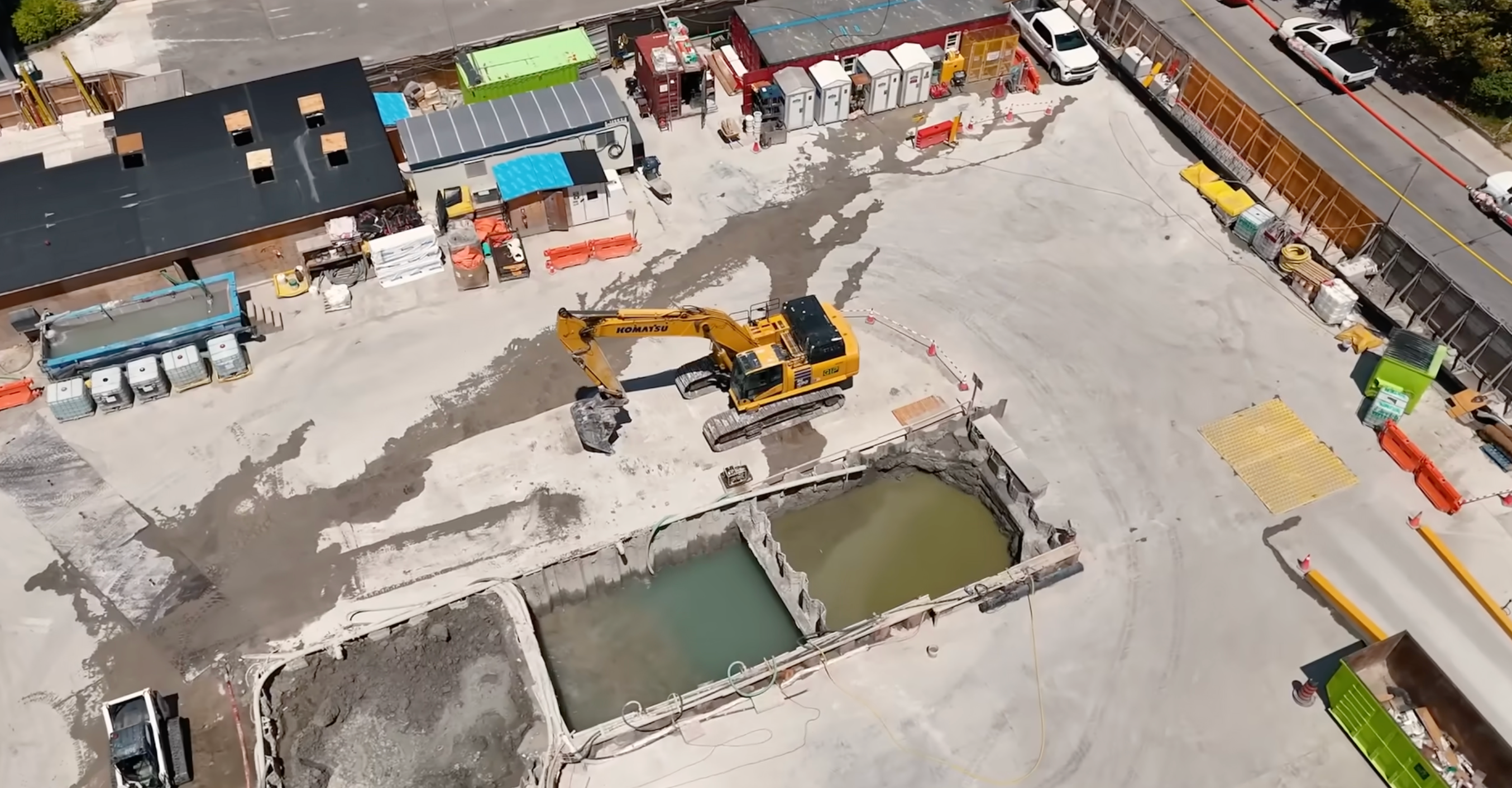
To meet Ontario’s erosion and sediment control expectations while maintaining efficient site operations, the project team incorporated manufactured trackout control systems that could be adjusted as construction progressed. At Exhibition Station, FODS Trackout Control Mats were used at key access and egress points to provide a stable construction entrance and reduce the amount of mud and debris carried onto surrounding streets.
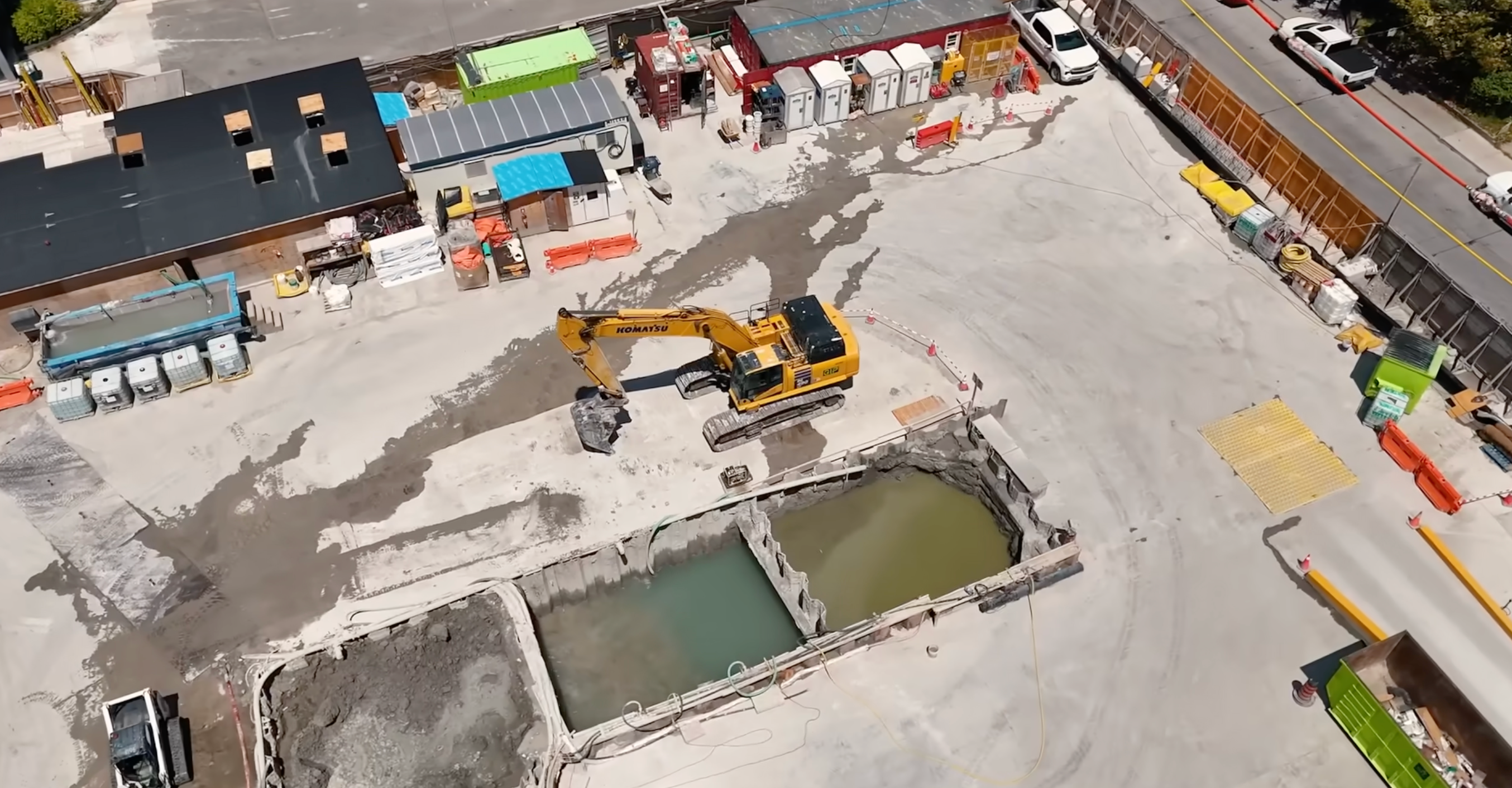
The mats form a rigid driving surface with a raised pyramid profile that flexes vehicle tires under load, helping dislodge sediment before trucks exit the site. This design supports consistent performance under heavy traffic and variable weather conditions, which is especially important on a multi-year transit project with evolving site conditions.
FODS, short for Foreign Object Debris Systems, is a North American manufacturer specializing in reusable construction entrance and access systems developed as an alternative to traditional rock and gravel pads. Designed for durability and mobility, the mats are used on infrastructure, transportation, and industrial projects internationally to support stormwater compliance and cleaner jobsite operations.
At Exhibition Station, installation followed Ontario best practices for manufactured trackout control devices. Mats were placed on prepared subgrades and positioned so all outbound vehicles traveled the full system length before entering public roadways. Adjacent driving surfaces were stabilized to prevent rutting, and runoff was directed to approved onsite containment and treatment areas.
By relying on a reusable manufactured system, the project reduced the need for repeated aggregate deliveries and limited waste commonly associated with traditional gravel entrances. The mats provided stable access through changing weather conditions while supporting ongoing compliance and safe site operations.
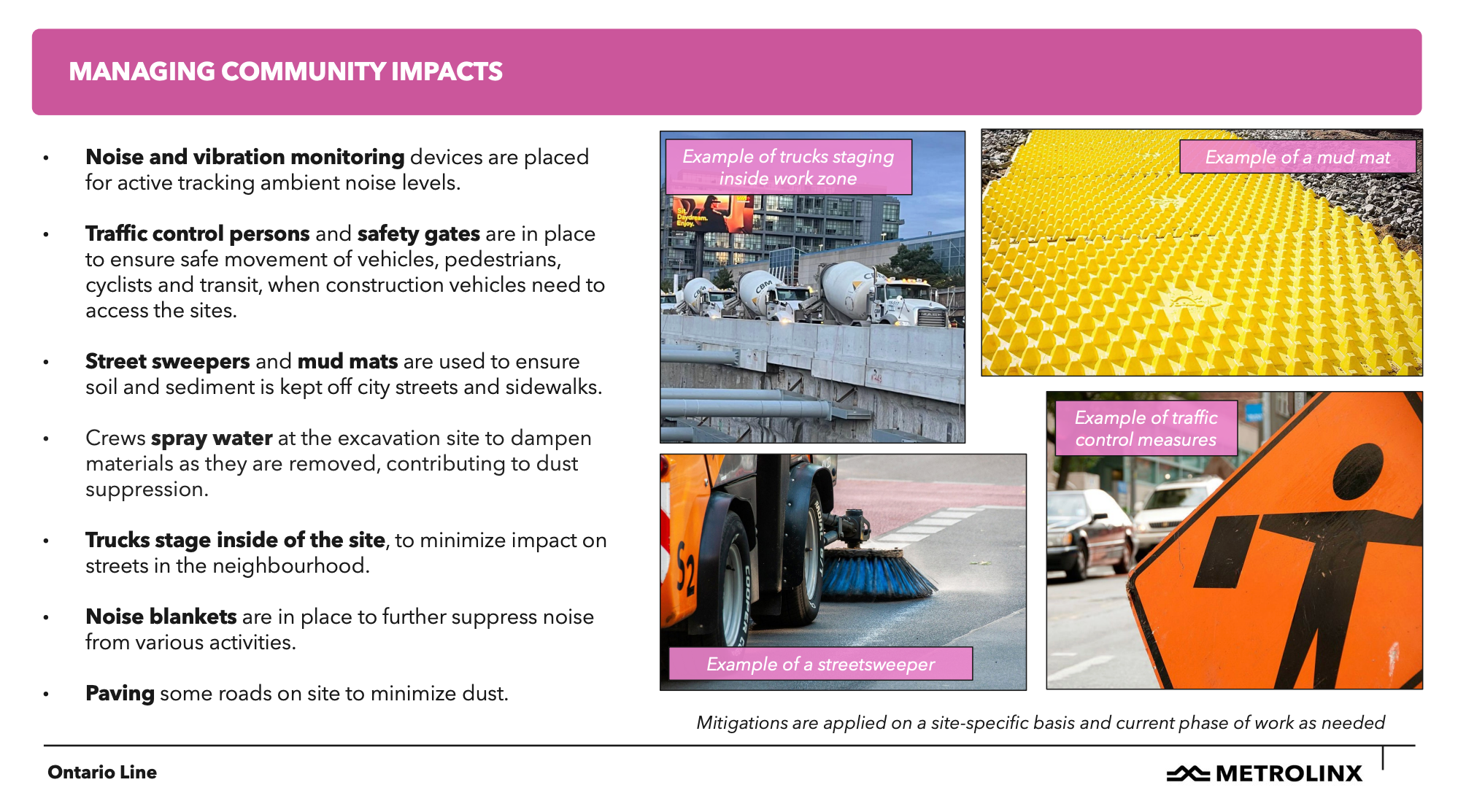
FODS was referenced in official Metrolinx Exhibition Station Open House display boards for the Ontario Line, a set of public consultation materials used to communicate construction methods and mitigation measures to the community. Inclusion in these agency-produced documents highlights FODS as a recognized component of site operations on one of Ontario’s largest transit infrastructure projects.
Cleaner roads and safer public corridors
Keeping surrounding roadways clean is an important part of managing construction in a highly visible public area like Exhibition Place. With ongoing traffic, transit operations, and pedestrian activity, even small amounts of tracked sediment can create safety concerns. By limiting the amount of mud and debris carried onto nearby streets, the Exhibition Station site helps improve conditions for motorists, cyclists, pedestrians, and transit users moving through the area on a daily basis.
Clean roadways reduce slip hazards, improve sightlines at intersections, and minimize the accumulation of sediment in catch basins and along curbs. Consistent housekeeping also helps limit wear on municipal infrastructure and reduces the need for reactive street cleaning. In a location with constant public use, maintaining clean access points supports coordination with the City of Toronto and helps reinforce public confidence as construction progresses.
Supporting sustainable construction in Ontario
Sustainability is an important consideration for large public infrastructure projects across Ontario, particularly those taking place in dense urban environments. At Exhibition Station, construction practices were selected to reduce material waste, limit unnecessary trucking activity, and improve overall site efficiency while meeting regulatory requirements.
Reducing the frequency of aggregate deliveries and removals lowers fuel use and greenhouse gas emissions associated with construction logistics. It also helps reduce congestion on surrounding roadways and limits disruption to nearby neighbourhoods. These measures align with provincial sustainability objectives and support Metrolinx’s broader approach to delivering transit infrastructure in a way that balances performance, environmental responsibility, and long-term community impact.
Performance and long-term value
As construction progresses at Exhibition Station, the project continues to show how careful planning and adaptable site management support steady progress under heavy traffic and variable weather conditions. Maintaining effective erosion and sediment control while adjusting to changing site layouts has allowed work to continue without compromising safety or compliance.
Looking ahead, Exhibition Station will play an important role in expanding transit access and improving connectivity across Toronto as part of the Ontario Line. The project reflects how major public transit investments can be delivered responsibly, providing long-term value while supporting cleaner streets, safer communities, and durable infrastructure for the region.